Table of Contents
ToggleAn impact driver sitting in your tool lineup is only as useful as it is appropriately sized for the job. Whether you’re assembling deck furniture, driving lag bolts into a fence post, or sinking delicate screws into cabinet hinges, the physical size of your impact driver and, more critically, the socket size it accepts, determines what you can actually accomplish. Many DIYers grab the nearest cordless drill expecting it to handle every fastening task, then get frustrated when torque runs out or precision disappears. Understanding impact driver sizes, both the tool itself and the drive socket it uses, removes that guesswork and helps you match the right tool to the job, saving time and keeping frustration off the workbench.
Key Takeaways
- Impact driver sizes operate on two levels: the physical tool footprint and the hex drive socket size, both of which directly determine what fasteners and tasks you can accomplish.
- A 1/4-inch hex drive impact driver handles approximately 80% of household projects, making it the ideal choice for most DIY work like cabinet assembly, furniture building, and fence repair.
- Matching your impact driver’s socket size to your fastener size prevents overdriving, bit damage, and tool strain while ensuring consistent seating and structural integrity.
- Compact 12V impact drivers weigh 3–6 pounds and excel at precision work and tight spaces, while 18V–20V models deliver stronger torque for heavy fasteners like lag bolts and structural hardware.
- Newer impact drivers feature variable-speed triggers and impact-mode selection, allowing you to dial down power for delicate tasks and increase output for heavy-duty applications without switching tools.
Understanding Impact Driver Sizes and Their Applications
What Makes Size Matter in Impact Drivers
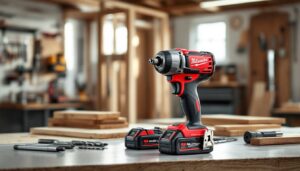
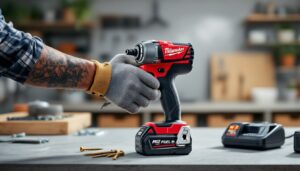
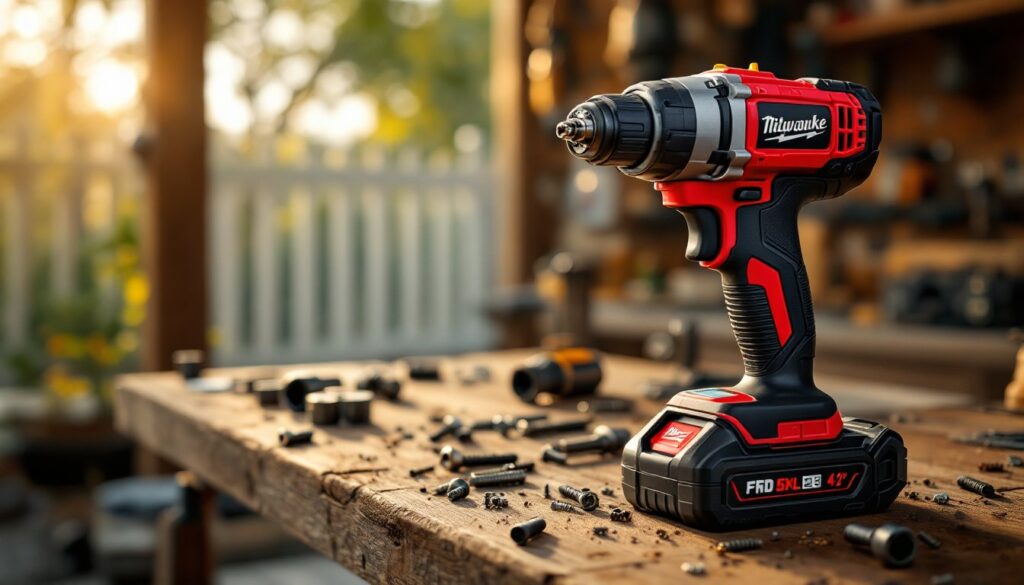
Size in an impact driver operates on two levels: the physical footprint of the tool itself, and the drive socket size that connects to fasteners. A compact 1/4-inch impact driver (referring to the hex collet size) fits snugly in tight corners, overhead work, and confined spaces where a bulkier tool would jam against framing. A heavier-duty 1/2-inch or 3/8-inch model delivers more rotational force and accepts larger fasteners, but demands more real estate to operate.
The socket size also directly correlates to the fastener head dimensions it can accept. A 1/4-inch hex drive accepts bits and sockets up to roughly 1/4 inch wide. This limitation matters when you’re choosing between, say, a 3/8-inch socket to fit a lag screw head versus a smaller bit that simply won’t grip it. Manufacturers deliberately size impact drivers to match common job categories. Homeowners fixing deck railings, installing cabinets, or assembling furniture rarely need industrial-grade 3/8-inch or 1/2-inch tools.
Compact and mid-range impact drivers typically weigh 3 to 6 pounds, making them arm-friendly for sustained work. Larger models run 8 pounds or more, which means fatigue becomes a real consideration during longer sessions. That weight translates directly to the mass of driving elements inside, heavier components produce more impact force but demand sturdier shoulders.
Common Impact Driver Socket Sizes for Household Projects
The 1/4-inch hex drive dominates residential DIY work, and for good reason. This size handles the vast majority of fastening jobs you’ll encounter: cabinet assembly, furniture building, deck repair, fence work, and general carpentry. A 1/4-inch socket accepts standard bits and magnetic bit holders, and most manufacturers produce affordable bit sets in this size. If you own just one impact driver, a compact 1/4-inch model covers roughly 80% of household projects.
The 3/8-inch hex drive steps up when you’re fastening heavier materials or working with larger fasteners, think bolting through 2x lumber, securing heavy hinges, or drilling into steel. This size isn’t common in basic homeowner projects but becomes practical if you’re building structures, installing deck footings, or tackle consistent woodworking. 3/8-inch sockets cost more and require a second bit collection, so the investment only makes sense if you’ll use it regularly.
A few manufacturers produce hybrid models with quick-change adapters, allowing you to swap between 1/4-inch and 3/8-inch capabilities on a single tool. These shine for versatile DIYers, though they add slight bulk and complexity. Most homeowners find a dedicated 1/4-inch impact driver, paired with a corded drill for traditional spiral-bit drilling, covers every scenario without compromise.
Battery voltage directly influences impact driver size and weight distribution. 12V compact models are genuinely pocket-sized and ideal for overhead or confined work, while 18V and 20V models gain heft but deliver noticeably stronger fastening torque. A compact impact driver is, since the hammer-strike action needs less rotational force from your body.
Matching Socket Sizes to Your DIY Tasks
Small Fasteners and Precision Work
When you’re driving pocket-hole screws into trim, assembling flat-pack furniture, or fastening cabinet hinges, precision and compact size matter far more than raw power. A 1/4-inch impact driver is your workhorse here. Standard cabinet screws, pocket-hole fasteners, and trim screws all feature heads sized for 1/4-inch bits. The lighter weight lets you hold the tool steady and avoid stripping soft wood or burying the screw too deep.
One critical detail: softer materials like pine, plywood, and MDF require restraint. Even a modest 12V or 18V impact driver, running at full speed, can drive a screw past your intended depth without feedback if you’re not watching. Many experienced DIYers reduce trigger pressure on delicate work or switch to a basic drill for the final rotation. That hybrid approach, impact driver for initial fastening, drill for finishing, protects your workpiece from cosmetic damage.
Bit quality becomes more noticeable with smaller fasteners. Cheap bits round out faster, especially when driven into hardwood screws or stripped heads. Investing in a set of impact-rated bits from established manufacturers (not dollar-store variants) pays off through fewer bent tips and cleaner holes.
Medium to Heavy-Duty Applications
Lag screws into deck joists, bolts fastening metal brackets, and anchor fasteners require sustained torque that lighter 1/4-inch drivers struggle with at full depth. A 3/8-inch impact driver or a capable 20V 1/4-inch model handles these tasks confidently. Lag bolts often feature 3/8-inch or larger heads: attempting to drive them with an undersized socket rounds out the fastener and leaves you cursing on the lawn.
Fence installation is a common scenario where size mattering becomes clear. A typical fence board attaches with two 3-inch lag screws per post. If you’re installing 100 feet of fence, that’s roughly 40 fasteners driven into pressure-treated lumber (harder than standard pine). A robust 1/4-inch or 3/8-inch impact driver, paired with proper socket fit, reduces fatigue and ensures consistent seating. Undersized tools bog down, making the work slower and increasing risk of stripping.
Heavy-duty hinges on gates, machinery mounting bolts, and structural hardware similarly demand adequate socket sizing and rotational force. Resources like Family Handyman’s project guides consistently recommend pairing the fastener size with a proportional impact driver, recognizing that undersizing leads to incomplete fastening and project delays.
When tackling jobs involving fasteners larger than 1/4 inch, verify your tool’s torque rating against the fastener manufacturer’s recommendations. Most lag screws and hex bolts specify minimum torque: an undersized driver risks leaving fasteners loose and compromising structural integrity.
Impact Driver Power and Size Correlation
Size and power aren’t identical, but they correlate strongly. A compact 12V impact driver excels at small tasks but runs out of steam when driving a 3-inch lag bolt into dense oak. A heavier 20V or 24V model, often paired with a 3/8-inch hex drive, was engineered for sustained high-torque work. Manufacturers publish max torque ratings (measured in foot-pounds or Newton-meters) that tell you exactly how hard the tool can twist.
A typical 12V compact impact driver produces 1,200 to 1,500 foot-pounds of torque. That’s plenty for cabinet assembly and furniture. An 18V mid-range model reaches 1,800 to 2,500 foot-pounds, handling most deck and fence work. Industrial 3/8-inch models exceed 3,500 foot-pounds, designed for continuous job-site use.
Battery capacity also influences practical size: larger battery packs mean higher ampere-hour ratings (measured in Ah), extending runtime and often boosting power. A 4Ah or 5Ah battery provides noticeably longer work windows than a 2Ah pack before needing a swap. That runtime difference becomes obvious during a fence installation or deck rebuild when you’re fastening for hours straight.
One practical insight: matching your impact driver size to your fastener size and material density prevents overdriving, bit damage, and tool strain. Forcing a 1/4-inch driver to repeatedly sink 3/8-inch bolts into hardwood doesn’t just slow you down, it stresses the internal impact mechanism and shortens tool lifespan. Popular Mechanics tool reviews and guides emphasize this point consistently: choose the right tool for the scope, not just grab what’s handy.
Electronically, newer 2026 models increasingly feature variable-speed triggers and impact-mode selection, letting you dial down aggression for delicate work and ramp up for heavy fastening. That flexibility blurs the line between compact and mid-range tools, though physical socket size still limits the fastener heads you can engage.