Table of Contents
ToggleTiny house living isn’t just a trend anymore, it’s a legitimate lifestyle choice for people who want to cut costs, reduce environmental impact, and simplify their daily lives. The Volferda tiny house has emerged as one of the more thoughtfully designed options on the market, offering smart layouts and efficient construction that appeal to both first-time buyers and experienced DIYers. Whether you’re curious about the Volferda tiny house price, considering downsizing, or just exploring what modern compact living looks like, this guide walks you through the practical realities of owning and customizing one of these homes. We’ll cover the design philosophy, cost factors, and actionable ways to make a Volferda work for your specific needs.
Key Takeaways
- Volferda tiny houses range from $60,000 to $95,000 and offer superior construction quality with built-in storage and thoughtful space planning compared to budget alternatives.
- Smart design features like vaulted ceilings, strategic zoning, and multi-functional furniture maximize livable space and prevent a cramped feel in compact layouts.
- Ownership costs extend beyond the Volferda tiny house price to include land, placement fees ($2,000–$5,000), permits, and utilities, but total energy bills drop 50–70% compared to traditional homes.
- Volferda homes are accessible for DIY upgrades like cabinet painting, lighting replacements, and flooring swaps, though structural or major plumbing changes require professional consultation.
- Tiny house living suits couples, remote workers, and simplicity-focused individuals but may frustrate frequent entertainers, large families, or hobbyists requiring significant storage space.
- Test the lifestyle before committing by visiting completed homes or renting a tiny house vacation to ensure 600 square feet aligns with your daily needs, not just weekend getaways.
What Makes Volferda Tiny Houses Stand Out
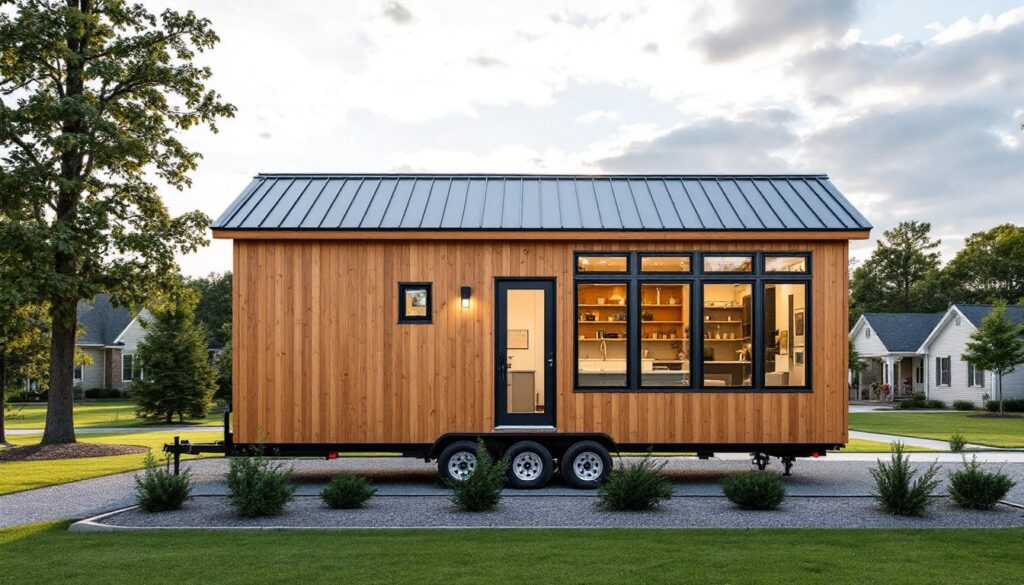
Volferda tiny houses distinguish themselves through thoughtful engineering rather than gimmicks. These structures typically range from 300 to 600 square feet and are built on trailers, making them mobile without sacrificing structural integrity. The key differentiator lies in their attention to materials and layout, they use quality insulation, durable flooring, and careful space planning that feels less cramped than competing models in the same price range.
The construction quality matters here. Most Volferda units use dimensional lumber framing, standard roofing materials, and finished interiors that don’t feel unfinished or temporary. Unlike some budget tiny houses that use thin plywood and cheap cabinetry, a Volferda is built to last, which justifies the investment upfront. Owners report that the homes handle extreme weather reasonably well and don’t develop the creaking, squeaking, or settlement issues that plague poorly constructed units after a year or two.
Another standout feature is the flexibility in customization. Because Volferda works with builders and individual buyers, there’s room to modify floor plans, upgrade appliances, and choose finishes before delivery. This prevents the “one-size-fits-all” feeling that makes some tiny homes feel like dorm rooms for adults.
Space-Saving Design Features That Work
The interior layout of a Volferda tiny house is where the real innovation happens. Rather than cramming in every feature, these homes use strategic zoning to create distinct spaces. The living area flows directly into the kitchen, but subtle height changes, color differences, or partial dividers prevent it from feeling like one giant room. Ceilings are vaulted in key areas, typically the bedroom loft and main living space, which makes the home feel taller and airier than its actual square footage.
Storage is built in throughout: under-stair drawers, wall-mounted shelving, and closets that don’t waste an inch. Unlike an apartment where you’re stuck with what’s there, a Volferda owner can plan storage upgrades or add IKEA furniture hacks to maximize every corner. The bedroom loft sits above the bathroom and utility areas, leaving the prime living space open and unobstructed.
Multi-Functional Furniture and Storage Solutions
Inside a Volferda, every piece of furniture should earn its place. The sofa might face a built-in dining table that doubles as workspace: a tall shelving unit becomes both storage and visual room divider. Rolling carts, wall-mounted desks, and Murphy bed frames are standard thinking in these homes, not luxuries. When space is this precious, multi-functionality isn’t optional, it’s the design language.
You’ll want to plan your furniture before delivery. Measure doorways and hallways (they’re narrower than a standard home), and know what pieces will actually fit. Sectionals, oversized recliners, and entertainment centers that work in a 2,000-square-foot house become obstacles in a tiny home. Look for pieces that store items underneath or fold away. Real Simple’s organization strategies translate perfectly to tiny house living, especially the discipline of owning fewer, better items. A single well-made dining chair beats a set of three you’ll never use.
Cost Considerations and Affordability
The Volferda tiny house price typically ranges from $60,000 to $95,000 depending on customization, materials, and location. Base models sit at the lower end: fully customized units with premium finishes, upgraded appliances, and solar-ready infrastructure push toward the top. This is significantly less than a traditional site-built home, but it’s important to understand what’s included and what isn’t.
Your true cost of ownership includes land (if you own it), placement fees ($2,000–$5,000 depending on site prep), permits, and utility hookups. Some communities allow tiny houses on residential lots: others restrict them to RV parks or specific zoning districts. Always verify local codes before buying, a $70,000 house becomes a problem if you can’t legally place it. Insurance runs $800–$1,500 per year, which is higher per square foot than a traditional home but lower in absolute dollars.
Utility costs drop dramatically in a tiny house because there’s less to heat, cool, and light. Owners typically report 50–70% savings on energy bills compared to a standard 2,000-square-foot home. If your Volferda includes solar-ready infrastructure, adding panels ($8,000–$15,000 after incentives) can push toward energy independence. Over a 10-year ownership span, these savings offset the premium you might pay upfront compared to an older, smaller single-wide trailer.
DIY Customization and Renovation Ideas
One of the best aspects of Volferda ownership is that these homes are accessible for DIY upgrades. The frame is standard 2×4 and 2×6 lumber (actual dimensions roughly 1.5″ × 3.5″ and 1.5″ × 5.5″), so adding a shelf, rerouting wiring within existing conduit, or upgrading cabinet hardware requires no special knowledge. Always turn off power at the breaker before touching any wiring, and never modify structural elements without understanding load paths.
Common upgrades include replacing cabinet doors, painting walls, upgrading light fixtures, and swapping out flooring in high-traffic areas. The bathroom and kitchen are logical starting points, new faucets, cabinet paint, and better lighting transform these functional spaces without major work. Some owners add a second loft area, though this requires understanding floor load ratings (typically 40 pounds per square foot in residential spaces) and potentially a permit depending on local codes.
Wall modifications should be approached carefully. If you’re hanging a heavy bookshelf or TV, locate the studs behind drywall and use proper fasteners. The walls are thinner than a standard house, so toggle bolts or stud-finding confidence is essential. Before painting, prepare surfaces thoroughly: sand, prime with quality primer, and use paint formulated for small spaces (flat or matte finishes make tiny rooms feel larger than gloss). Apartment Therapy covers small-space makeovers that apply directly to tiny house upgrades, offering real examples of budget-friendly transformations.
For major work, plumbing modifications, electrical panel changes, or structural additions, consult a professional or your local building department. A tiny house is built on a trailer with specific weight distributions: adding a second bathroom or relocating walls changes that balance and may require re-certification.
Is Tiny House Living Right for You?
Tiny house living works brilliantly for some people and fails miserably for others. Be honest about your lifestyle: Do you entertain frequently and need space for guests? Do you have a large family? Do you work from home and need a dedicated office that doesn’t double as a bedroom? Do you own significant collections that require display and storage?
The sweet spot for Volferda owners tends to be couples, single professionals, or retirees who value simplicity and lower living costs over maximum square footage. Remote workers appreciate the low mortgage or payment, which reduces financial stress. People with hobbies that require minimal space (reading, writing, art) thrive: those who need workshops or storage for vehicles, tools, or recreational equipment often find a tiny house frustrating.
Visit a completed Volferda or similar tiny home before committing. Spend an afternoon in the space, cook a meal, use the bathroom, and imagine living there year-round. What feels cozy in a two-hour tour might feel cramped after two months. If possible, rent a tiny house vacation for a week, it’s the best way to test the reality against the fantasy. There’s no shame in discovering that 600 square feet works for weekends but not daily life.
Conclusion
A Volferda tiny house is a legitimate solution for affordable, efficient housing, but it demands honest self-assessment before purchase. The price point, build quality, and design flexibility make it worth serious consideration if you’re genuinely ready to downsize. The real test isn’t the Volferda itself: it’s whether you’re prepared for the lifestyle shift that tiny living demands. Do your assignments, visit actual homes, and calculate your true cost of ownership including land and placement. If it fits, it’s a smart investment in lower costs and simpler living.