Table of Contents
ToggleAn impact driver is only as good as the bits you use with it. A quality impact driver bits set isn’t just a collection of random drivers crammed into a plastic case, it’s the foundation of efficient, professional results on everything from deck building to cabinet assembly. Whether you’re fastening hardware, driving lag bolts, or tackling a bathroom renovation, having the right bits on hand saves time, reduces frustration, and keeps your impact driver running smoothly. This guide walks through what makes a solid set, how to choose one suited to your projects, and the mistakes that cost most DIYers time and money.
Key Takeaways
- A quality impact driver bits set is built with hardened steel or chrome-molybdenum alloys to handle sudden rotational stress and shock without snapping or stripping fasteners.
- Choose an impact driver bits set that includes Phillips, square drive, and hex bits in multiple lengths, plus specialty pieces like torx bits and magnetic extensions for diverse project needs.
- Always match bit size to fastener size and inspect bits regularly for wear, damage, or corrosion—replacing worn bits prevents fastener damage and saves time on rework.
- Store bits in a dry, organized location with magnetic organizers or labeled compartments, and add silica gel packets in damp workshops to prevent rust and extend bit lifespan.
- Using moderate impact force on finish work and keeping bits clean after wet or dusty conditions protects both your fasteners and the longevity of your bits set.
What Is an Impact Driver Bits Set and Why You Need One
An impact driver bits set is a collection of interchangeable drive heads designed specifically for impact drivers, tools that use a rotating hammer mechanism to deliver concentrated rotational force. Unlike regular drill bits, impact driver bits are built to handle sudden, repetitive twisting stress without snapping or stripping. They’re shorter, thicker, and made from hardened steel or chrome-molybdenum alloys to absorb shock without wearing out.
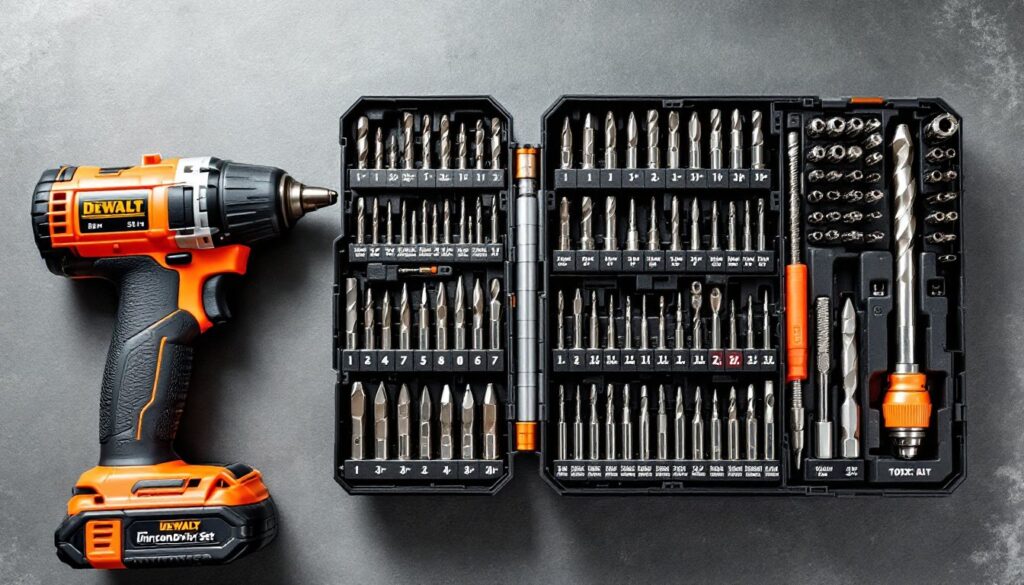
A complete set usually includes common screw-driving bits, specialty pieces for bolts and hardware, and various lengths to reach recessed fastener heads. Impact driver bits aren’t optional accessories, they’re the interface between your tool and the work. Using the wrong bit or a damaged bit damages the screw head, slips out mid-drive, and can snap under load. Having a dedicated bits set means you’re prepared for fastening work without hunting through your junk drawer or borrowing from a neighbor.
Types of Bits You’ll Find in a Quality Set
Phillips, Flathead, and Square Drive Bits
Phillips bits are the workhorse of any set. They fit the crossed slot found on millions of fasteners and come in sizes #1, #2, and #3 (with #2 being the most common). Flathead bits (also called slotted) work with simple straight-slot screws and are less common in modern construction but essential for older hardware or decorative trim. Square drive bits (Robertson) offer better grip than Phillips and reduce cam-out, the frustrating slip that strips screw heads. They’re standard in carpentry and decking work.
All three types come in multiple lengths, typically 1 inch, 2 inch, and 3 inch, to fit flush, countersunk, and deeply set fastener heads. A quality set includes several of each size in standard lengths, recognizing that bits wear out and get lost on job sites.
Specialty Bits for Specific Tasks
Beyond basic screw bits, solid sets include hex bits (for lag bolts and structural fasteners), torx bits (star-shaped drivers for precision fasteners and some hardware), and pozidriv bits (similar to Phillips but with finer control). Specialized sets often add nut setters (which grip and drive nuts), magnetic extensions (to reach deep or confined spaces), and impact-rated adapters (for compatibility with standard 1/4-inch drill chucks).
The presence of specialty bits separates a basic set from a genuinely useful one. If you’re hanging cabinets or assembling prefab furniture, torx bits save hours of rework.
How to Choose the Right Impact Driver Bits Set for Your Needs
Start by matching the set to your projects. Deck building and exterior work demand robust bits in square drive and hex formats: furniture assembly and finish carpentry benefit from Phillips and torx variety. Check the bit material, hardened steel or chrome-molybdenum is standard, but look for sets that specify impact-rating: cheaper sets use softer alloys that dull and break under impact stress.
Count the bit count and configuration. A 20-piece set with duplicates of common sizes (multiple #2 Phillips, for example) is more practical than a 50-piece set with one of each obscure bit. Examine the case or holder, magnetic organizers keep bits visible and accessible, while clear flip-case designs let you spot what’s missing at a glance. Avoid flimsy plastic cases that won’t survive a tool bag.
Consider compatibility with your driver’s chuck. Most modern impact drivers use a standard 1/4-inch hex chuck, but some older models differ. Confirm this before buying. Performance-oriented DIYers often invest in professional-grade sets from tool suppliers: hobby users find mid-range sets from reputable manufacturers deliver reliable performance without premium pricing. Resources like Popular Mechanics publish detailed tool reviews and comparisons that help narrow choices based on real-world testing.
Common Mistakes to Avoid When Using Impact Driver Bits
Using the wrong bit size is the most common error. A #2 Phillips bit that’s too small for a screw head cam-outs and strips the fastener: one that’s too large won’t seat properly and slips. Always match bit size to fastener size, this takes 10 seconds and prevents frustration. Reusing damaged bits is another costly habit. A bent, chipped, or magnetized bit doesn’t grip cleanly and damages fasteners or causes bits to stick in the chuck. Inspect bits before use and retire worn ones.
Overdoing impact force on delicate fasteners or finished surfaces causes bits to slip, strip threads, and mar work. Many DIYers crank impact drivers to maximum and wonder why fasteners fail: using moderate speed on finish work preserves both fasteners and surfaces. Neglecting bit length is easy to overlook. A 1-inch bit won’t reach a fastener set in a deep pocket: forcing the driver to bind risks breaking the bit or tool. Measure fastener depth and choose appropriate bit length.
Failing to keep bits dry and clean causes rust, corrosion, and poor grip. Bits used in wet conditions (exterior work, bathroom installation) should be dried and stored in a low-moisture environment. Road salt and moisture corrode even hardened steel over time. Professionals know that a $30 bits set lasts months with care but weeks with neglect.
Maintenance and Storage Tips to Extend Bit Lifespan
Magnetic organizers and labeled compartments keep bits sorted and prevent loss or mixing. A simple wall-mounted strip or a labeled tool drawer beats a jumbled junk drawer, you’ll actually use bits you can find. Store bits in a dry location: if your workshop is damp, add a small silica gel packet to the storage case to absorb moisture. This simple step prevents rust and extends bit life by months or years.
Clean bits after wet or dusty work. A quick wipe with a dry cloth or light brush removes sawdust and moisture that promotes corrosion. For bits exposed to salt or concrete dust (common in exterior work), a brief rinse with fresh water and immediate drying prevents pitting. Inspect bits regularly, once a month is reasonable for active DIYers. Replace bits that show visible wear: bent tips, flattened drive surfaces, or chipped edges. A worn bit damages fasteners and wastes time: replacement bits cost $1–3 each, a tiny investment compared to rework.
Rotate bits if you have duplicates. Using different bits in sequence distributes wear and extends the service life of your entire set. Professionals often keep backup bits for mission-critical sizes (like #2 Phillips), recognizing that a single broken bit mid-project becomes expensive downtime. Guidance from trusted sources like Bob Vila emphasizes that tool care is part of craftsmanship, neglecting maintenance is false economy.