Table of Contents
ToggleIf you’ve spent time in a home improvement aisle or watched a DIY tutorial, you’ve probably heard someone mention an impact driver, but what exactly is it, and do you actually need one? An impact driver is a cordless power tool that delivers rotational force through short, rapid bursts of concentric impacts, making it exceptionally good at driving fasteners into tough materials and removing stuck bolts. Unlike a traditional drill, which applies steady rotational pressure, an impact driver uses a mechanical hammer mechanism to deliver extra torque in pulses. For homeowners tackling deck construction, cabinet assembly, or automotive repairs, an impact driver can be a game-changer. This guide walks you through how impact drivers work, when to use one, and how to choose the right model for your projects.
Key Takeaways
- An impact driver definition centers on a cordless power tool that delivers rotational force through rapid bursts of concentric impacts, making it exceptional for driving fasteners into tough materials and removing stuck bolts.
- Impact drivers generate 1,500+ foot-pounds of impact torque in pulses, compared to a drill’s steady 500 foot-pounds, which is why they excel at deck construction, cabinet assembly, and structural fastening projects.
- Choose an impact driver with at least 1,000 foot-pounds of impact torque, an 18V or 20V battery system, and brushless motor construction for reliable DIY performance and long-term durability.
- The quick-change hex chuck design and lighter weight (3.5–4.5 pounds) of an impact driver reduce wrist strain during extended use, making it ideal for high-volume fastening tasks.
- Always prioritize safety by wearing safety glasses, work gloves, and ear protection when operating an impact driver, and secure your workpiece with clamps to prevent unexpected twisting under impact torque.
- Impact drivers are not suitable for precision drilling, light-duty fastening into drywall, or tasks requiring variable speed control—use a traditional drill for those applications instead.
Understanding Impact Driver Basics
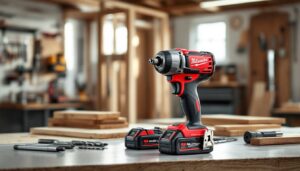
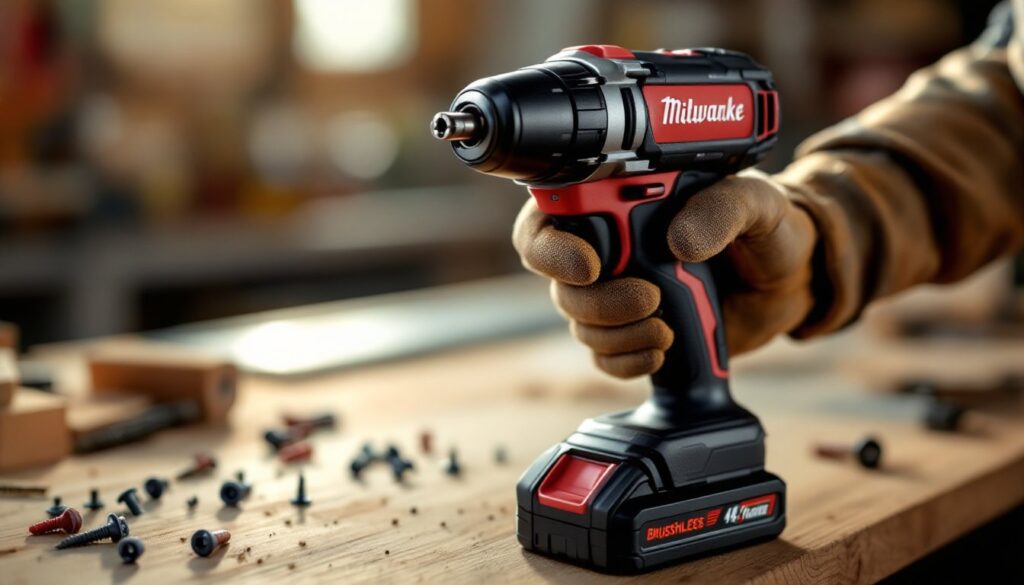
An impact driver is a specialized power tool designed to drive fasteners with exceptional speed and efficiency. At its core, it combines a motor, a hammer mechanism, and a quick-change chuck into a compact, usually handheld package. The motor spins a special gear system that stores rotational energy and releases it in rapid pulses, think of it like a series of tiny hammer strikes happening dozens of times per second.
Most impact drivers are cordless, powered by rechargeable lithium-ion batteries, though corded versions exist for continuous-duty work. They typically weigh between 3.5 and 4.5 pounds, making them lighter than comparable drills. The ergonomic design, combined with less rotational resistance than a drill, means less strain on your wrists during extended use.
They come in two main sizes: 1/4-inch hex chuck (compact, great for tight spaces) and 1/2-inch square drive (heavier-duty, common in professional shops). For most DIY work around the home, a 1/4-inch hex drive model handles the majority of fastening tasks you’ll encounter.
How Impact Drivers Work
The magic happens inside. When you pull the trigger, the motor spins a rotating bit holder at tremendous speed. Inside, there’s a spring-loaded hammer mechanism that engages with an anvil. When resistance builds (like when a screw hits dense wood), the hammer strikes the anvil repeatedly, creating rapid bursts of rotational force. This is called “impact” force, measured in foot-pounds of torque (ft-lbs).
For example, a typical impact driver might deliver around 1,500 foot-pounds of impact torque, versus 500 foot-pounds on a drill. That’s why impact drivers make short work of lag bolts, deck screws in dense hardwood, or removing seized fasteners. The impact mechanism also automatically adjusts: lighter tasks get fewer impacts, while heavy resistance triggers more frequent pulses. This smart response prevents stripping fastener heads and over-torquing delicate materials.
Impact Driver vs. Drill: Key Differences
While they look similar on a shelf, impact drivers and drills serve different primary functions, though there’s overlap.
Torque delivery: A drill applies steady rotational force, perfect for boring holes and driving lighter fasteners. An impact driver delivers force in pulses, excelling at driving large fasteners and removing stuck bolts. A drill might exert 500 foot-pounds of continuous torque: an impact driver delivers 1,500+ foot-pounds in sudden bursts.
Chuck type: Drills typically use a 3/8-inch or 1/2-inch keyed or keyless chuck. Impact drivers use a quick-change hex chuck (1/4-inch) or square drive, designed for one-handed bit swaps. This matters if you’re changing between driving and drilling tasks frequently.
Speed and control: Drills spin continuously at variable speeds (usually 0-3,000 RPM), giving fine control for precision hole drilling. Impact drivers pulse, which means variable trigger control doesn’t offer the same refinement, they’re more all-or-nothing tools.
Wrist strain: The pulsing action of an impact driver transmits less rotational torque to your wrist than a drill encountering resistance. That’s why pros favor impact drivers for high-volume fastening: your hand and wrist fatigue less.
Noise and vibration: Impact drivers are louder and more aggressive-sounding than drills, though the vibration pattern actually feels less jarring to your hand because of the pulse mechanism.
For a homeowner, a combo kit with both a drill and impact driver covers nearly every fastening and hole-boring scenario. If you had to pick one, an impact driver handles more tough jobs, but a drill gives you better control for precision work.
Best Uses for Impact Drivers in Home Projects
Impact drivers shine in specific situations where their high torque and speed deliver real advantages.
Deck and outdoor framing: Driving 3-inch exterior-grade deck screws into pressure-treated lumber is exactly what impact drivers were built for. A drill would struggle and heat up: an impact driver powers through in seconds and keeps cool.
Cabinet and furniture assembly: Whether you’re installing pre-fabricated cabinets or assembling pieces from a kit, an impact driver speeds up repetitive fastening while reducing your fatigue. The quick-change hex chuck means you switch between screw bits effortlessly.
Removing stuck bolts and fasteners: If you’re replacing a water heater, furnace, or automotive parts, an impact driver can back out seized bolts that a standard wrench or drill would struggle with. Its impact force breaks corrosion bonds that steady torque can’t match.
Structural fastening: Lag bolts, structural screws, and heavy-duty fasteners in wood or composite materials respond better to an impact driver’s force delivery. Projects like pergolas, heavy shelving, or storm door installation benefit from the tool’s capability.
Rough construction and framing: Professionals use impact drivers on job sites for sheathing, joist fastening, and general structural work because of speed and reliability. For a DIYer tackling a major addition or shed, the time saved is significant.
Where impact drivers are not ideal: precision drilling (use a drill for pilot holes in hardwood or glass), light-duty fastening into drywall or plastic (risk of over-torquing), and any task requiring variable speed control. Resources like This Old House offer detailed guidance on matching the right tool to specific renovation scenarios.
Choosing the Right Impact Driver for Your Needs
Not all impact drivers are created equal. Here’s what to evaluate.
Voltage and battery capacity: Consumer-grade impact drivers typically come in 18V, 20V, or 24V systems. For DIY use, 18V or 20V is sufficient: 24V models offer more sustained power for professionals. Battery capacity is measured in amp-hours (Ah). A 4.0 Ah battery provides roughly double the runtime of a 2.0 Ah battery. Most DIYers find a 4.0 Ah or 5.0 Ah battery per charger adequate for weekend projects.
Impact torque rating: Look for at least 1,000 foot-pounds of impact torque for general home use. Decking and framing work benefit from 1,500+ ft-lbs. Don’t confuse this with rotational torque (usually lower): impact torque is what matters for this tool.
Chuck type and compatibility: 1/4-inch hex is standard for compact impact drivers and fits standard screwdriver bits. If you’re moving between systems (Milwaukee, DeWalt, Makita, Metabo), confirm battery and charger compatibility, switching ecosystems gets expensive fast.
Brushless vs. brushed motor: Brushless motors run cooler, last longer, and deliver better runtime. They cost more upfront but are worth it if you plan regular use. Most modern impact drivers are brushless.
Weight and balance: Under 4 pounds is ideal for overhead or sustained one-handed work. Heavier isn’t always more powerful: compact design matters for control.
Included accessories: A quality combo kit includes two batteries, a charger, and a carrying case. Single-tool purchases often lack batteries: factor that cost in. Reviews on Family Handyman and Fix This Build That provide honest tool comparisons for specific project types.
Budget: Entry-level impact drivers start around $80–$120 (with batteries). Mid-range professional models run $150–$250. Avoid ultra-cheap models: poor build quality leads to early failures and frustration.
Safety Tips and Maintenance Essentials
Impact drivers are safe when respected. They’re not beginner-proof, though.
Always wear safety glasses. Flying bits, fasteners, or debris can cause eye injury in an instant. No exceptions, even for “quick” tasks.
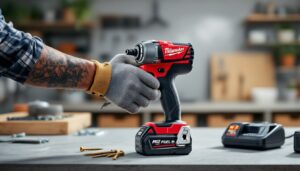
Wear work gloves. An impact driver won’t catch fabric like a drill, but your hands are still near the spinning chuck. Leather gloves protect against splinters and blisters during repetitive use.
Hear protection is worth it. Impact drivers operate at 85–100 decibels. Extended use can contribute to hearing fatigue. Simple foam earplugs ($5 for a pack of 50) are cheap insurance.
Start with low-torque fasteners. If you’re new to the tool, practice on a scrap board with standard wood screws before tackling lag bolts. The impact action feels different than a drill: getting a feel for trigger sensitivity prevents stripped fastener heads.
Secure your workpiece. A loose board can twist unexpectedly under impact torque, causing wrist injury or lost control. Clamp it.
Don’t use driver bits for drilling. Screwdriver bits aren’t designed for hole drilling: they can shatter. Use proper drill bits in a drill, or use your impact driver exclusively for driving fasteners.
Battery and charger maintenance: Store batteries in a cool, dry place. Don’t leave them on the charger indefinitely after they’re full: modern smart chargers prevent overcharging, but continuous trickle charging shortens lifespan. Replace batteries if they no longer hold a charge or swell (swelling is a serious sign, stop using immediately and dispose of the battery responsibly).
Bit and chuck care: Check bits regularly for wear or bending. A worn bit will slip in the chuck, causing frustration and potentially damaging the chuck. Clean the hex chuck opening of dust and debris occasionally: a small brush works fine.
Conclusion
An impact driver isn’t a mandatory tool for every homeowner, but for anyone tackling deck construction, cabinet installation, or tough fastening work, it’s a legitimate workhorse. Its combination of speed, reduced wrist strain, and sheer fastening power makes repetitive screwing faster and less exhausting than a drill. Choose one with adequate torque (1,000+ ft-lbs), a compatible battery ecosystem, and brushless construction, and you’ll have a reliable tool for years of projects. Respect the learning curve, use proper safety gear, and maintain your batteries, and it’ll pay for itself quickly.