Table of Contents
ToggleThe M18 Fuel 1/4 hex impact driver has become a staple in garages and job sites alike. Whether you’re fastening deck screws, assembling furniture, or driving fasteners into hardwood, this compact powerhouse delivers consistent torque and speed that hand tools simply can’t match. Unlike traditional drill-drivers, impact drivers use a rotational hammer mechanism to deliver bursts of force, making them ideal for driving screws without cam-out or bit slippage. For homeowners tackling weekend projects and professionals juggling multiple jobs, the M18 Fuel model offers the right balance of power, runtime, and portability. This guide walks through what makes it stand out, how to use it effectively, and whether it’s the right fit for your toolbox.
Key Takeaways
- The M18 Fuel 1/4 hex impact driver delivers 1,500 in-lbs of torque and 2,500 RPM in a compact, lightweight 3.6-pound design ideal for fastening, assembly, and light drilling projects.
- Brushless motor technology extends runtime 15–20% longer than brushed models while reducing maintenance, making it cost-effective over five+ years of ownership.
- Use only impact-rated bits, pre-drill pilot holes in hardwood, and leverage low-speed mode for delicate materials to maximize performance and prevent bit slip or screw stripping.
- Battery compatibility across Milwaukee’s M18 platform saves money if you already own other M18 tools, with 45–60 minute runtime on 2.0 Ah batteries.
- Always wear safety glasses and use proper grip techniques when operating the impact driver, as high-speed bit rotation and fastener glancing pose serious eye injury risks.
- The M18 Fuel 1/4 hex is ideal for DIY homeowners tackling deck building, trim work, and furniture assembly, where it outperforms standard drill-drivers by eliminating cam-out and bit slippage.
What Makes The M18 Fuel 1/4 Hex Stand Out
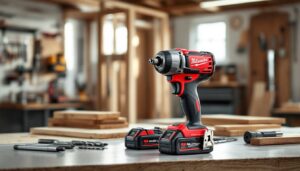
The M18 Fuel 1/4 hex impact driver combines brushless motor technology with a compact form factor that doesn’t sacrifice power. The brushless motor reduces friction and heat, extending tool life and improving efficiency compared to older brushed models. This means longer runtimes on the same battery charge and less maintenance over time.
The 1/4-inch hex chuck accepts standard impact-rated bits, which are thicker and more durable than regular drill bits. They won’t snap or slip under the rotational hammer blows that define impact driver operation. The compact head design fits into tight spaces, think inside cabinet frames or between wall studs, where full-size drills get stuck.
Battery compatibility matters too. The M18 platform shares batteries across Milwaukee’s entire lineup, so if you already own an M18 drill, sander, or circular saw, you’re not buying a whole new battery ecosystem. The runtime on standard 2.0 Ah batteries runs roughly 45–60 minutes of continuous fastening, depending on the task and fastener size. Higher-capacity batteries like 5.0 Ah models stretch that closer to two hours, though they add weight.
Key Performance Features and Specifications
The M18 Fuel 1/4 hex delivers 2,500 RPM and up to 1,500 in-lbs of torque in compact form. That torque figure matters because it determines how much force the driver can apply without stalling or bouncing backward. For reference, 1,500 in-lbs is more than enough to drive 3-1/2 inch fasteners through doubled-up lumber or into hardwood without breaking a sweat.
The tool weighs about 3.6 pounds without battery, making it light enough for overhead work (think installing cabinet hardware or fastening trim) without arm fatigue kicking in after an hour. The battery slides on from the bottom, letting you swap depleted packs mid-project without setting the driver down or hunting for a power outlet.
LED task lighting sits just behind the chuck, illuminating the fastening point. It’s not a substitute for a headlamp in dimly lit spaces, but it handles typical workshop and jobsite brightness. The side handle is adjustable for balance, though most users work without it for screw-driving tasks, it’s more valuable if you’re using the driver in hammer-drill mode or fighting stubborn fasteners.
Shift modes on the fly: a low-speed setting (0–1,500 RPM) gives precise control for screwing into delicate materials or starting fasteners by hand, while high-speed mode maxes out around 2,500 RPM for productivity on repetitive work.
Best Use Cases and Applications
The M18 Fuel 1/4 hex shines in three main categories: fastening, assembly, and light drilling.
Fastening is where it dominates. Deck building? Screw down 2×6 boards without pre-drilling (though drilling pilot holes in pressure-treated lumber prevents splitting). Interior trim work, furniture assembly, cabinet installation, the impact mechanism drives screws clean without the binding and bit slip that frustrates many DIYers with standard drills.
Assembly work includes anything from installing door hinges to bolting down shelf brackets. The compact size lets you work in corners and under overhangs where a full-size drill won’t fit. Set the driver to low-speed mode when fastening into thin materials like drywall anchors or cabinet sides to avoid stripping and over-driving.
Light drilling (up to 1/4 inch in wood and metal) is possible, though dedicated drills are faster and more precise for larger holes. The impact driver’s rotational blows aren’t ideal for drilling: they’re designed for the quick, repetitive strikes that happen when driving a fastener encounters resistance.
When to call in a professional: structural fastening (bolting down ledgers, tying roof trusses), anything requiring building permits, or electrical work beyond swapping outlets. Permits exist to keep homes safe, don’t skip them to save time.
How It Compares to Other Impact Drivers
The M18 Fuel 1/4 hex sits in the mid-range price segment ($80–130 without battery, depending on sales), competing directly with DeWalt, Makita, and Bosch offerings in the same category.
Versus cordless drills: A drill-driver works, but it lacks the impact mechanism. You’ll cam out bits on hardwood, strip screw heads, and get hand fatigue from the twisting resistance. An impact driver costs more upfront but saves frustration and delivers faster completion times on fastening-heavy projects.
Versus brushed impact drivers: Brushless motors (which the M18 Fuel uses) cost $20–40 more at purchase but deliver 15–20% more runtime and run cooler. If you’re planning to keep the tool five years or longer, brushless pays for itself in reduced maintenance and fewer battery replacements.
Versus larger 1/2-inch impact drivers: Those 1/2-inch hex models (typically corded or heavier M18 variants) pack more torque but weigh 1–2 pounds more and cost considerably more. Unless you’re regularly fastening 4+ inch bolts or running the tool all day on a jobsite, the compact 1/4-inch hex version is the smart choice for homeowners.
Battery compatibility is a sleeper advantage. If you own M18 tools already (and many homeowners do), adding this driver costs less than buying into a new platform and battery set.
Tips for Getting the Most Out of Your Impact Driver
Start with the right bits. Use only impact-rated bits, they’re hardened steel and designed to absorb the rotational hammer blows. Regular drill bits snap under impact driving. Bits wear out: replace them when you notice performance dropping or the edges dulling.
Prep your fasteners. For outdoor wood (deck building, fence repair), pre-drill pilot holes in pressure-treated lumber and hardwoods. The screw can then seat cleanly without the wood splitting. A guide on how to use an impact driver from Popular Mechanics covers this in detail.
Control your speed. Low-speed mode (around 750 RPM) is your friend for drywall, thin materials, and starting fasteners. High speed is for production runs and dense wood where you need momentum. Switching between modes takes one hand motion and prevents over-driving screws into soft substrates.
Battery management extends the life of your packs. Don’t let them fully drain every charge. Store batteries at 40–60% capacity if you’re putting the tool away for months. Heat kills lithium cells, so avoid leaving batteries in hot vehicles or direct sunlight.
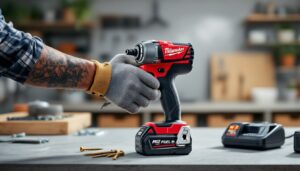
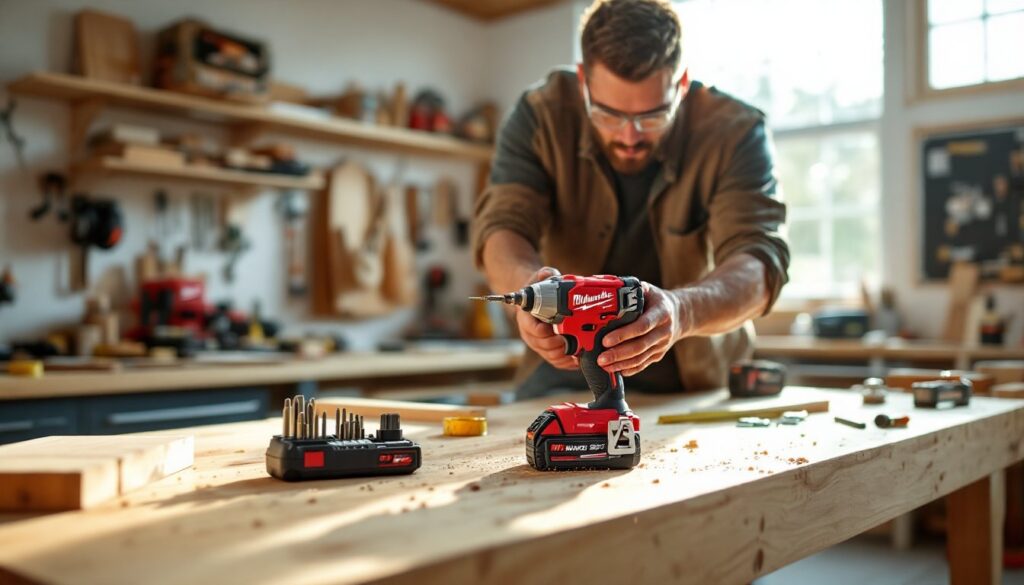
Wear safety gear. Impact drivers move fast, and bits can slip if you’re not paying attention. Safety glasses are non-negotiable: a flying bit or a fastener that glances off can cause serious eye injury. Gloves help with grip, especially when fastening into hardwood where the driver can try to wrist-twist you. Hearing protection isn’t strictly necessary for occasional use, but if you’re running the tool continuously, the high-pitched impact noise adds up over time. Resources like Today’s Homeowner include seasonal maintenance checklists that remind homeowners when to service their tools.
Keep it clean. Sawdust and debris work into the motor housing. Blow out the vents with compressed air every few uses, especially after cutting or fastening in dusty conditions.
Conclusion
The M18 Fuel 1/4 hex impact driver is a worthwhile addition to any homeowner’s toolkit. Its brushless motor, compact size, and consistent performance tackle everything from deck screwing to furniture assembly without the frustration of hand tools or the overkill of industrial-grade equipment. Start with a basic 2.0 Ah battery kit, invest in quality impact-rated bits, and don’t skip prep work or safety gear. Whether you’re building a woodworking project or hanging seasonal decorations, this tool pays for itself in time saved and quality results. Pick one up, read the manual, and get comfortable with speed and mode settings before tackling a big project. You’ll be surprised how much faster weekend work moves.