Table of Contents
ToggleStanding in the power tool aisle, you’re staring at drills and impact drivers wondering what the real difference is, and whether you actually need both. The short answer: it depends on your projects. A traditional drill excels at boring holes and driving screws into softer materials, while an impact driver delivers rotational force with concussive blows, making it ideal for fastening into dense wood, metal, and concrete. Understanding which tool solves your specific problems beats owning redundant equipment. This guide breaks down how each works, when to reach for one over the other, and what metrics matter when you’re ready to invest.
Key Takeaways
- A drill and impact driver operate on different mechanics: drills use steady rotational force for precision, while impact drivers use concussive blows for more aggressive fastening power, with impact drivers generating 1,500 to 4,000 inch-pounds of torque compared to drills’ 300 to 1,500.
- Reach for a drill when you need precision and control—boring clean holes, driving fasteners into softer materials like drywall and pine, and performing detailed work where finesse matters.
- Impact drivers excel at driving long fasteners like deck screws and lag bolts, breaking loose stubborn bolts, and working with dense materials, but they risk damaging drywall screws, thin metal, and finished surfaces if misused.
- Key performance metrics to compare include torque (for fastening power), RPM/impacts-per-minute (for speed), battery voltage (for sustained power), and weight (for comfort during extended use).
- Most homeowners can start with a single drill and add an impact driver later as projects demand it; a quality drill costs $80–$200, while an impact driver runs $100–$250, and sticking with one battery brand ecosystem saves money long-term.
Understanding the Core Differences
A drill and an impact driver operate on fundamentally different mechanics. A standard drill applies continuous rotational force, think of it as a steady spinning motion. When you pull the trigger, the chuck spins at speeds ranging from 0 to 3,000 RPM (rotations per minute), depending on the tool and whether it’s in low or high gear.
An impact driver, by contrast, uses rotational force plus concussive impacts, rapid bursts of torque delivered through internal hammering mechanisms. These impacts happen hundreds of times per second, creating a “hammering-and-turning” action. That’s why impact drivers produce that distinctive clicking or chattering sound. This mechanism allows impact drivers to generate significantly higher torque (often 1,500 to 4,000 inch-pounds on cordless models) while using less sustained force from your hand.
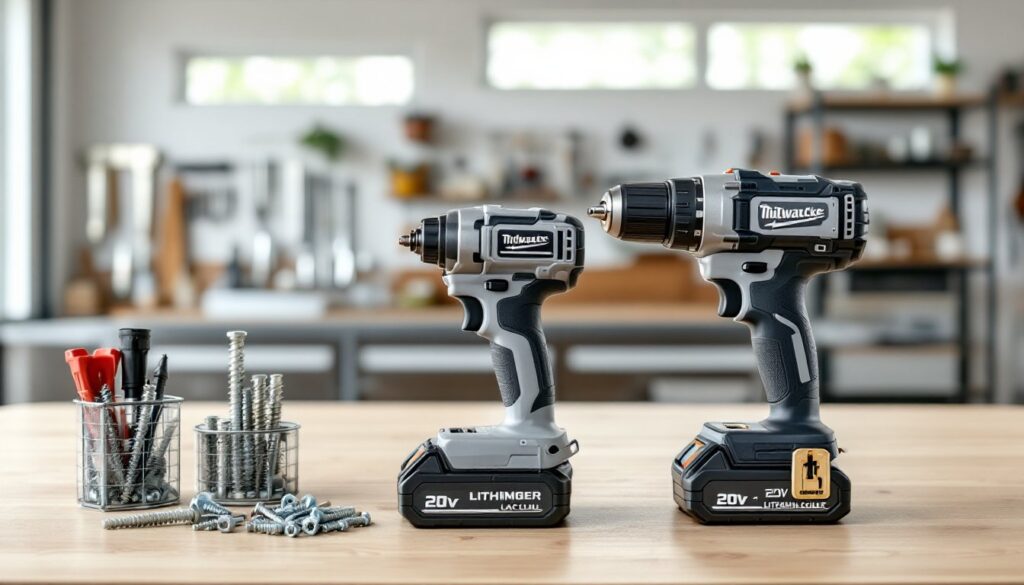
The practical result: an impact driver drives long fasteners and breaks loose stubborn bolts more efficiently than a drill would. But, drills offer more finesse, better control at low speeds, less aggressive action on delicate materials, and the ability to smoothly bore clean holes without wandering. A drill and impact driver combo makes sense if you’re serious about DIY, but most homeowners can start with just one depending on their typical projects.
When to Use a Drill
Reach for a drill when you need precision and control. Drills shine at boring clean holes, whether you’re drilling pilot holes before driving screws, creating openings for dowels, or making large-diameter holes with spade bits or hole saws. The slower, steady rotation gives you better feedback and reduces the chance of tearout on finished surfaces.
Drills are also your go-to for driving fasteners into softer materials: drywall, pine, MDF, and composites. The continuous, controlled torque lets you stop precisely when the screw sits flush without stripping threads or sinking the head below the surface. If you’re hanging shelves, installing cabinet hardware, or assembling furniture from big-box stores, a basic drill handles 80% of these tasks perfectly.
Another key advantage: a drill doesn’t vibrate aggressively, making it more comfortable for extended use or overhead work. If you’re running 100+ fasteners in a single session, a drill is often the smarter choice. A practical impact driver guide can help clarify when stepping up to an impact driver becomes worthwhile.
When to Use an Impact Driver
An impact driver shines when driving long fasteners, breaking loose stubborn bolts, or working with dense materials. Deck screws, lag bolts, and structural fasteners are where impact drivers earn their place in your toolkit. That concussive force drives fasteners faster and with less wrist strain than a drill, important when you’re installing 500 deck screws or assembling heavy framing.
Dense hardwoods, pressure-treated lumber, and engineered composites are impact-driver territory. The rotational impacts power through resistance that would cause a drill to stall or require constant pressure. You’ll also reach for an impact driver when removing frozen bolts, stripped fasteners, or any corroded hardware that needs genuine force.
But, impact drivers demand respect. The aggressive impact action can strip fastener heads, split delicate wood, or damage finished surfaces if you’re not careful. Never use an impact driver on drywall screws (they’ll shatter), thin sheet metal, or finished trim without risking damage. If your project involves careful placement or light-duty fastening, a regular drill remains superior. A compact impact driver offers more portability and control than full-size models while retaining serious driving power.
Key Performance Metrics to Compare
When evaluating drills or impact drivers, torque and speed matter most. Torque (measured in inch-pounds) determines fastening power, higher numbers mean the tool can drive longer fasteners and work in denser materials. Most cordless drills deliver 300 to 1,500 inch-pounds: cordless impact drivers typically range from 1,500 to 4,000+ inch-pounds.
Speed (RPM for drills, impacts-per-minute for impact drivers) affects how quickly you finish tasks. A 3,000 RPM drill completes drilling and fastening faster than a 1,500 RPM model, but excessive speed reduces control. For impact drivers, look for models offering variable speed triggers, they let you dial in the right aggression level for your material.
Battery voltage (18V, 20V, 24V) correlates with sustained power. Higher voltage maintains performance longer under load and holds consistent torque as the battery depletes. Runtime depends on battery capacity (measured in amp-hours, or Ah) and the tool’s efficiency. A 4.0 Ah battery delivers roughly double the runtime of a 2.0 Ah pack.
Weight and ergonomics matter during extended use. A lightweight drill (under 4 pounds) is friendlier for overhead work and tight spaces. Chuck size (typically 3/8-inch or 1/2-inch) affects bit compatibility, smaller chucks suit delicate drilling: larger chucks grip heavy-duty bits. Impact driver sizes follow similar logic: 1/4-inch hex chucks are compact and popular, while 1/2-inch impacts deliver industrial-grade holding power.
Making Your Choice: Budget and Space Considerations
Budget often dictates the decision. A quality 18V or 20V cordless drill from established brands (DeWalt, Makita, Milwaukee, Ryobi) ranges from $80 to $200 depending on features and battery configuration. An equivalent impact driver costs $100 to $250. A combo kit including both tools, charger, and batteries typically runs $200 to $400.
Starting with a single tool makes sense if space or budget is tight. Most homeowners tackle occasional projects, hanging pictures, assembling furniture, minor repairs, and a drill handles this workload perfectly. You only need an impact driver if you’re regularly driving deck screws, working with pressure-treated lumber, or removing stubborn fasteners. If those tasks describe your typical weekend, invest in an impact driver alongside a drill.
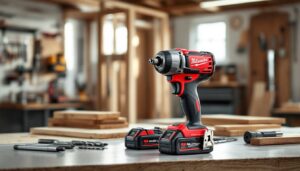
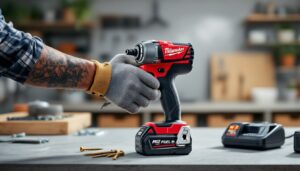
Consider battery ecosystem too. A Milwaukee impact driver works with Milwaukee batteries and chargers across their product line. Sticking with one brand means batteries, chargers, and tools remain compatible as your collection grows. This “stick with the ecosystem” approach saves money long-term compared to building separate tool systems.
Storage also matters. A drill and impact driver each occupy space in your garage or workshop. If you’re already tight on room, starting with one versatile tool makes more sense than owning redundant equipment. A compact impact driver or a Milwaukee model designed for tight spaces can minimize clutter while delivering the performance you need. Real estate isn’t free, prioritize tools you’ll actually use regularly.
Conclusion
The drill-versus-impact-driver question isn’t really a versus, it’s a “when do I need each?” A drill remains the foundational power tool for most homeowners. It handles boring holes, driving fasteners in softer materials, and precision work where control matters. An impact driver becomes essential once you’re regularly working with dense wood, deck screws, or stubborn fasteners. Resources like This Old House’s comparison and project guides from Family Handyman offer deeper dives into specific applications. Start with one, add the other as your projects demand it, and choose a reputable brand with a battery ecosystem you trust. Your toolkit will grow with your confidence, and your projects.