
Table of Contents
ToggleCordless impact tools have become indispensable for anyone serious about DIY projects. Whether you’re framing a deck, assembling furniture, or tackling automotive work, these tools deliver the torque and speed that standard drills simply can’t match. The hammer-and-anvil mechanism inside sends rapid blows to fasteners, reducing user fatigue while making stubborn bolts and screws surrender without a fight. If you’re curious about what makes cordless impact tools tick and which one belongs in your garage, read on, this guide breaks down everything a homeowner needs to know.
Key Takeaways
- Cordless impact tools use a hammer-and-anvil mechanism to deliver rapid, high-torque blows that reduce user fatigue and handle stubborn fasteners far better than standard drills.
- Impact drivers with 1/4″ hex chucks are ideal for DIY homeowners tackling woodworking and decking, while impact wrenches with square-drive sockets are built for automotive and heavy industrial fasteners.
- Choose battery voltage based on your projects: 12V for light tasks, but 18V or 20V systems provide the torque and runtime needed for most serious home and yard work.
- Investing in brushless motors and two batteries from the same brand platform saves money long-term through better efficiency, longer tool life, and easy battery swaps between compatible tools.
- Regular maintenance—cleaning battery contacts, clearing ventilation slots, replacing worn bits, and inspecting the chuck—extends cordless impact tool lifespan and prevents fastener damage.
Understanding Cordless Impact Tools and Their Purpose
A cordless impact tool works differently than a traditional drill. Instead of continuous rotation, it uses a hammer-and-anvil mechanism that delivers rapid, high-torque blows to the fastener. Each blow lasts just milliseconds, but the cumulative effect is powerful, you can drive a lag bolt through hardwood or loosen a rusted lug nut without straining your wrists or shoulders.
They’re especially valuable when you don’t have access to power outlets or air compressors. Unlike corded tools, cordless models give you freedom to move around the jobsite. Compared with standard drills, impact tools reduce operator effort significantly and excel at dealing with stubborn fasteners that would otherwise strip out or require excessive force.
The real benefit emerges on longer jobs. Your hands get less tired, and you’re less likely to slip or strip screw heads. For homeowners tackling everything from cabinet installation to outdoor furniture assembly, cordless impact tools are genuinely game-changing.
Key Types of Impact Tools
Not all impact tools are the same. Understanding the main categories helps you pick the right one for your work.
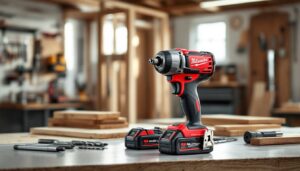
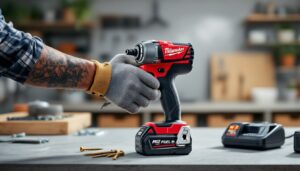
Impact Driver is the most common type for DIY homeowners. It typically has a 1/4″ hex chuck and is compact and lightweight. You’ll use it for driving screws, lag bolts, and construction fasteners. It’s ideal for woodworking, decking, and light automotive work.
Impact Wrench operates with a square drive socket (usually 3/8″, 1/2″, or 3/4″) and delivers higher torque than drivers. It’s built for lug nuts, suspension components, and structural bolts, heavier industrial or automotive jobs. If you’re changing truck tires or pulling apart a engine block, this is your tool.
Impact Ratchet is a compact wrench with lower torque and a slim head, perfect for tight spaces in engine bays or dashboard work. It’s less common in typical home projects but invaluable if you do frequent small-fastener work.
Impact Drivers vs. Impact Wrenches
The main differences come down to chuck type, torque output, and application. Impact drivers use 1/4″ hex bits and deliver around 1,300–2,000 inch-pounds of torque, plenty for screws and lighter fasteners. Impact wrenches use square-drive sockets and range from 85 foot-pounds (compact 12V models) up to 1,180 foot-pounds or more on heavy-duty 18V or 20V units.
For fastener size, drivers handle screws and 1/4″ bolts. Wrenches tackle larger lug nuts and structural bolts. If you’re doing woodworking, decking, or framing, a driver is your go-to. Automotive work, especially changing tires or suspension work, calls for a wrench.
Battery Power and Runtime Considerations
Battery voltage and capacity directly affect tool performance and how long you can work before recharging. 12V systems are compact and lightweight, ideal for light DIY tasks like hanging shelves or assembling furniture. They’re easier on the wrist and wallet but deliver less runtime for heavy jobs.
18V or 20V systems (the naming varies by manufacturer) are the sweet spot for most homeowners. They provide enough torque for framing, decking, and moderate automotive work, with runtime to match a full day of project work.
Capacity, measured in amp-hours (Ah), matters too. A 2.0Ah battery is lighter and quicker to charge but drains faster during heavy use. A 5.0Ah or 6.0Ah battery lasts longer but adds weight to the tool. Most serious DIYers invest in two batteries, one charging while the other works.
Brushless motors improve efficiency and runtime compared to brushed versions. They also run cooler and last longer, making them worth the extra cost if you’re buying a tool you’ll use frequently. Staying within one brand’s battery platform means you can swap batteries between tools (a Milwaukee impact driver and Milwaukee drill, for example, share the same batteries and charger). This cross-compatibility saves money and hassle.
Choosing the Right Tool for Your DIY Projects
Matching tool to task prevents wasted money and frustration. Light DIY projects, hanging shelves, assembling IKEA furniture, installing cabinet hardware, call for a compact 12V impact driver. It’s nimble and fast enough for these jobs without overkill.
Home and yard projects like building a deck, framing a small shed, or installing fence posts demand an 18V or 20V impact driver. This voltage range provides enough torque to handle larger fasteners and longer workdays. The Milwaukee impact driver has become a benchmark in this category, known for durability and runtime.
Automotive work, changing tires, pulling suspension components, or general engine-bay projects, requires an 18V or 20V 1/2″ impact wrench with adequate torque. Undersized wrenches will struggle with stubborn lug nuts and waste battery charge.
Tight spaces inside engines or around modern electrical systems need a compact impact wrench or ratchet. A full-size impact wrench is too bulky and heavy for these jobs. Consider available working space when choosing between a driver and wrench: drivers’ compact heads fit more spaces.
Before buying, think about future projects. Will you need to pull automotive fasteners? Build more decks? If you’re uncertain, a mid-range 18V or 20V driver with an extended warranty is a sensible first purchase. You can always add a wrench or specialty tool later.
Maintenance Tips to Extend Tool Life
A well-maintained cordless impact tool stays reliable for years. Start with batteries, they’re often the most expensive wear item. Keep battery contacts clean and free of dirt or corrosion. Store batteries in a cool, dry place, ideally between 50°F and 86°F. Avoid storing fully discharged batteries for extended periods: a small trickle charge every few months keeps them healthy.
Ventilation slots on the tool and battery should stay clear. Dust buildup restricts airflow and causes overheating. Use a soft brush or compressed air to clean them every few months, especially after dusty jobs.
Replace worn bits and sockets regularly. Rounded-off hex bits slip and strip screw heads. Worn socket corners round over lug nuts. Swapping them out costs a few dollars and prevents fastener damage. The Milwaukee Shockwave bits are engineered for impact use and hold up longer than standard bits.
Follow the manufacturer’s lubrication schedule if specified, some impact wrenches need occasional gear oil, though many modern cordless tools are sealed and maintenance-free. Never exceed the tool’s rated fastener size or duty cycle: using an 18V driver to power a 1/2″ socket, for example, overloads the motor and shortens its life.
Inspect the chuck or socket drive periodically. If it’s cracked or loose, stop using it and contact the manufacturer about repair or replacement. A damaged chuck won’t hold bits securely and risks tool failure.
Conclusion
Cordless impact tools are practical, powerful, and portable, the kind of tool that makes repetitive fastening jobs feel effortless. Whether you choose an impact driver for decking and furniture or a wrench for automotive work, match the voltage and torque to your actual needs. Stick with one brand’s battery platform to maximize flexibility, invest in quality bits and sockets, and perform basic maintenance. Treated well, a cordless impact tool becomes one of those tools you reach for constantly, a genuine difference-maker for any serious homeowner.