Table of Contents
ToggleA cordless impact wrench isn’t just another power tool cluttering your garage, it’s the difference between wrestling with stuck bolts for an hour and breezing through fastening tasks in minutes. Whether you’re removing lug nuts, assembling furniture, or tackling automotive work, this compact powerhouse delivers rotational force that a regular drill simply can’t match. With models ranging from budget-friendly to professional-grade, understanding what separates a quality cordless impact wrench from a mediocre one will save you frustration and money. This guide walks you through the essentials: what makes these tools tick, which features actually matter, where they shine around the home, and how to keep yours running strong for years to come.
Key Takeaways
- A cordless impact wrench delivers rapid bursts of torque through rotational hammering, making it ideal for breaking loose stubborn fasteners that regular drills can’t handle.
- Choose a cordless impact wrench with 150–300 ft-lbs of torque for residential work and automotive maintenance, prioritizing 1/2-inch square drive models for lug nuts and heavy structural bolts.
- Battery capacity of 2.0–4.0+ Ah determines runtime; owning multiple batteries and prioritizing brand compatibility (like Milwaukee M18) eliminates downtime and reduces overall costs.
- A cordless impact wrench shines in automotive maintenance, deck construction, machinery assembly, and plumbing work where controlled torque and socket compatibility outperform standard impact drivers.
- Maintain your cordless impact wrench by storing batteries properly, inspecting sockets regularly, keeping motor vents clear, and always using impact-rated sockets to ensure 5–10 years of reliable performance.
What Is A Cordless Impact Wrench And Why You Need One
An impact wrench is fundamentally different from a standard cordless drill. Instead of steady rotational force, it delivers rapid bursts of torque through a rotational hammering action, think of it as controlled tapping that multiplies your turning power. This action makes it ideal for breaking loose stubborn fasteners that won’t budge with conventional tools.
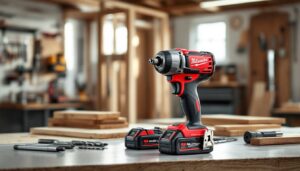
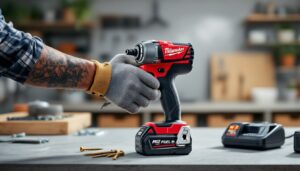
The main advantage? Speed and reduced strain on your hands and wrists. When you’re dealing with automotive work, large deck bolts, or machinery assembly, an impact wrench cuts labor time dramatically. A Milwaukee impact driver or a Flex compact impact driver handles fastening work with efficiency that makes sense for serious DIYers tackling projects beyond simple furniture assembly.
Unlike an impact driver (which typically uses a hex chuck for smaller bits and fasteners), an impact wrench accepts a square drive socket, meaning it’s built for heavier-duty fastening jobs. This distinction matters: an M12 impact driver works great for screws and smaller bolts, but when you need genuine torque output, say, removing wheel lugs or tightening structural connections, a dedicated impact wrench is your go-to tool.
Key Features To Look For When Buying A Cordless Impact Wrench
Torque output is the first spec to examine. Measured in foot-pounds (ft-lbs) or Newton-meters (Nm), higher torque means the tool can handle tougher jobs. Most residential-grade cordless impact wrenches deliver 150–300 ft-lbs, which covers most home and light automotive work. If you’re planning heavy structural fastening or frequent professional-grade tasks, aim for 250+ ft-lbs.
Socket size matters equally. Cordless impact wrenches come in 1/2-inch and 3/8-inch square drives. The 1/2-inch is the standard for automotive and heavy fastening work, lug nuts, suspension components, and structural bolts. The 3/8-inch option is lighter and more maneuverable, suited for tighter spaces and lighter-duty applications.
Weight and balance affect fatigue during extended use. A tool hovering around 3.5–4.5 pounds feels balanced in one hand: anything heavier demands two-handed control, which slows you down on overhead work. Check the weight before committing, especially if you’re hanging drywall anchors or working above shoulder height.
Control features like variable speed trigger and reverse function shouldn’t be overlooked. Variable speed lets you dial in power, preventing runaway fastening and reducing the risk of stripping threads or snapping fasteners. Reverse is essential for backing out stuck bolts without manual wrenching.
Battery Power And Runtime Considerations
Battery capacity (measured in amp-hours, or Ah) directly affects runtime. A 2.0 Ah battery typically delivers 30–45 minutes of intermittent use: 4.0+ Ah extends that to an hour or more. For a homeowner doing occasional projects, 2.0–3.0 Ah is usually sufficient. Serious DIYers investing in a second battery means less downtime between charges.
Battery compatibility within your existing tool ecosystem matters. If you already own a Milwaukee M18 lineup, buying an M18-compatible impact wrench lets you share batteries across tools, reducing overall cost. The same logic applies to other brands, system compatibility is a hidden money-saver.
Charging time varies by charger and battery size. Standard chargers take 30–60 minutes: fast chargers can do it in 20 minutes but may reduce battery lifespan slightly. Having two batteries lets one charge while you work with the other, eliminating idle time.
Best Applications For Cordless Impact Wrenches Around Your Home
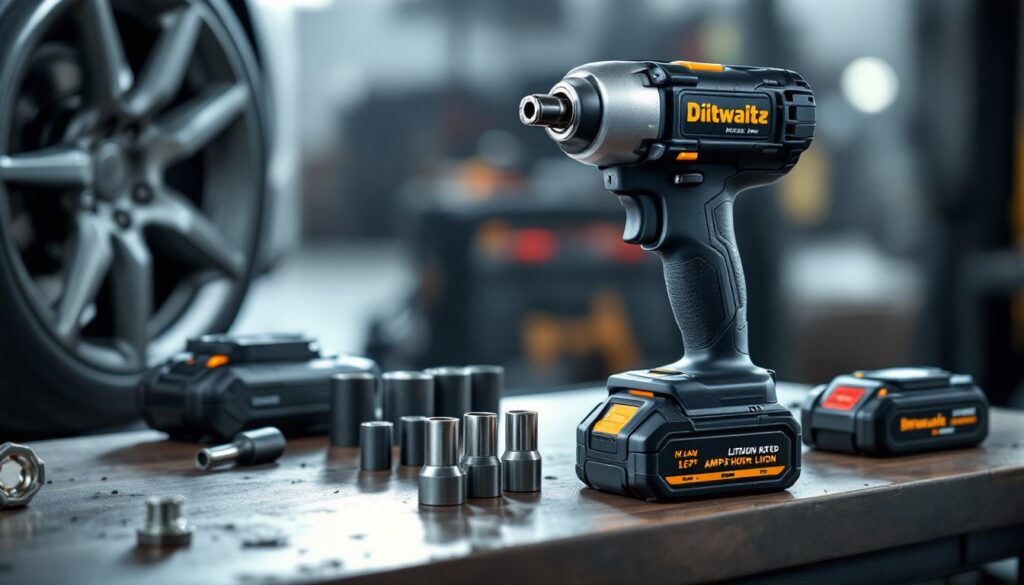
Automotive maintenance is where cordless impact wrenches truly shine. Removing and reinstalling lug nuts is faster and easier than with a traditional lug wrench or breaker bar. Whether you’re changing a tire or rotating wheels, the tool handles the grunt work while you guide the socket.
Deck and fence construction involves driving lag bolts and large structural screws into treated lumber. An impact wrench with sufficient torque drives these fasteners straight without the bit skipping or threads stripping, a common problem with regular drills on hardened lumber.
Machinery assembly and repairs, like securing engine blocks, transmission pans, or HVAC components, call for controlled, consistent torque. The impact action prevents cross-threading and ensures bolts stay tight under vibration and load.
Furniture assembly and moving heavy appliances sometimes requires torque-critical fastening. While an impact driver handles many fastening jobs, an impact wrench’s square-drive compatibility with standard sockets gives you access to a wider range of sizes and styles, especially for vintage or industrial pieces.
Plumbing and HVAC work involving large unions, gate valves, and connections benefits from the wrench’s ability to loosen corroded or oversized fasteners without straining your hands. If you’re tackling a whole-house replumbing project or upgrading a furnace, renting or owning an impact wrench is justified.
For most homeowners, interior fastening tasks, hanging cabinets, installing shelving, attaching trim, are better served by a compact impact driver. Reserve the cordless impact wrench for outdoor structural work, automotive tasks, and heavy-duty assembly where raw torque and socket compatibility make the difference.
Maintenance Tips To Keep Your Impact Wrench In Top Shape
Battery care extends the life of the tool’s heart. Store batteries in a cool, dry place and avoid leaving them on the charger indefinitely once fully charged: most modern chargers have trickle-charge circuits, but overnight storage off the charger is still best practice. Rotate between multiple batteries if you own them, spreading charge cycles evenly.
Inspect sockets and the square drive regularly. Worn sockets slip on fastener corners, wasting energy and potentially damaging bolts. Replace them before they’re visibly damaged. A wire brush removes corrosion and dried debris from the drive itself: a light coat of machine oil on the drive keeps it smooth.
Keep the motor vents clear. Dust buildup restricts cooling, causing internal damage over time. After each use, especially in sawdust-heavy environments, blow out the vents with compressed air. A blocked vent can reduce motor lifespan significantly.
Check fastener engagement before starting. Ensure the socket is fully seated on the bolt head or nut. A shallow fit causes the tool to slip and strip corners, wasting battery power and frustrating you both.
Use the correct socket size and type. Impact-rated sockets have thicker walls than standard sockets: regular sockets can shatter under impact force, creating a safety hazard. This is non-negotiable, don’t cut corners here.
With basic upkeep, a quality cordless impact wrench lasts 5–10 years, making it one of your best power tool investments.
Conclusion
A cordless impact wrench bridges the gap between light fastening and heavy-duty torque work, making it invaluable for homeowners tackling automotive, construction, and assembly projects. Prioritize torque output, socket size, battery runtime, and control features when choosing your tool. Pair it with smart maintenance, battery care, socket inspection, and motor cleaning, and you’ll have a reliable partner for years. Whether you’re a occasional DIYer or someone who takes on bigger projects regularly, investing in a quality cordless impact wrench pays dividends in time saved and frustration eliminated.