Table of Contents
ToggleA cordless impact driver is a game-changer for anyone tackling home projects seriously. Unlike a standard drill, this tool delivers rotational force plus rapid, repetitive downward impacts, making it a powerhouse for driving fasteners, assembling furniture, and handling demanding tasks that would exhaust a traditional drill. Whether you’re hanging cabinets, building a deck, or assembling cabinet hardware, the right cordless impact driver saves time, reduces fatigue, and produces professional results. Choosing one might seem overwhelming with all the options available, but understanding the basics helps you make a decision that fits both your budget and your project pipeline.
Key Takeaways
- A cordless impact driver delivers rapid repetitive impacts that multiply torque, allowing you to drive fasteners through demanding materials like hardwood and pressure-treated lumber without muscle or struggle.
- Choose a 12V compact model for light assembly and cabinet work, or opt for a 20V cordless impact driver (1,500–2,000 ft-lbs) for heavy-duty tasks like deck framing and removing stubborn fasteners.
- Battery runtime depends on amp-hour rating: a 2Ah battery provides 30–45 minutes of intermittent use, while a 5Ah battery extends runtime to 90+ minutes—rotate batteries during full-day projects to minimize downtime.
- Always use impact-rated bits specifically engineered for the tool’s pounding action, as regular drill bits will shatter or fail prematurely under the impact mechanism.
- Practice proper safety by wearing safety glasses, maintaining a firm braced stance with feet shoulder-width apart, and starting at low speed to prevent bit skip and control reaction torque.
- An impact driver excels at fastening tasks, furniture assembly, and light demolition, but avoid it for delicate work like installing tiny hinges or driving fasteners into hardwood veneer where torque spikes could cause splitting.
What Is A Cordless Impact Driver and Why It Matters for DIY Projects
An impact driver looks similar to a drill but operates completely differently. Inside the tool, a motor spins a spinning mass at extremely high speed. When you push the trigger and the bit meets resistance, say, driving a fastener into hardwood, internal mechanisms disengage rapidly, creating thousands of impacts per minute. This hammering action multiplies torque (rotational force) without requiring you to muscle the tool or fight back-rotation.
Why does this matter? A standard drill-driver can stall or twist in your hands when driving a stubborn screw into dense material. An impact driver powers through without that struggle. The impact mechanism also means less strain on your wrist and shoulders during extended use, which matters when you’re installing a whole kitchen’s worth of hardware on a Saturday.
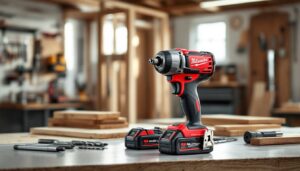
A Milwaukee impact driver or similar professional-grade model excels because the rapid impacts allow the fastener itself to do the work rather than relying on your strength. For homeowners moving beyond hanging a picture frame, this tool pays for itself in convenience and speed. The difference between wrestling a drill for ten minutes and zipping a screw home in seconds isn’t just comfort, it’s the difference between enjoying a project and resenting it.
Key Features to Look For When Selecting a Cordless Impact Driver
Not all cordless impact drivers are created equal. Before you buy, focus on the specifications and build quality that align with your typical projects.
Battery Power and Runtime Considerations
Battery voltage and amp-hour (Ah) rating directly affect your tool’s performance and how long you can work before recharging. Most home DIYers find a 12V to 20V cordless impact driver adequate for general fastening, cabinet assembly, and light-duty demolition. A 12V model like the M12 impact driver offers compact size and lighter weight, ideal if you’re working in tight spaces (behind cabinets, inside closets) or doing overhead work where a heavier tool causes arm fatigue.
Battery runtime depends on workload and amp-hour rating. A 2Ah battery might give you 30–45 minutes of intermittent driving: a 5Ah battery extends that to 90 minutes or more. If you’re tackling a full day of deck framing, buy a second battery and rotate them while one charges. Modern chargers often complete a full charge in 30 minutes, so downtime is minimal.
Consider whether your garage already has a battery ecosystem. If you own other cordless tools from the same manufacturer, using a shared battery platform cuts cost and storage clutter.
Torque and Performance Specifications
Torque is measured in foot-pounds (ft-lbs) and indicates the rotational force the tool can deliver. A 20V impact driver typically produces 1,500–2,000 ft-lbs of torque, while a 12V compact model delivers 500–1,000 ft-lbs. More torque sounds better, but you must match the tool to the task.
For fastening 2.5-inch deck screws into pressure-treated lumber, 1,500 ft-lbs is more than sufficient. For removing rusted lag bolts from a 20-year-old fence post, you’d want the upper range. If most of your work involves hanging drywall anchors, cabinet hinges, or assembling flat-pack furniture, a mid-range model saves money without sacrificing capability.
Impact rate (impacts per minute, or IPM) also matters. Higher IPM, typically 2,000–3,500 IPM, delivers fasteners faster and reduces chatter or surface damage on softer woods. Check manufacturer specifications: reputable brands publish honest numbers rather than inflated claims.
Real-World Applications: When and How to Use Your Impact Driver
An impact driver shines in specific tasks. Understanding where it excels, and where a drill or other tool might be better, prevents buyer’s remorse.
Fastening and Assembly: Installing deck boards, cabinet hardware, door hinges, and shelf brackets are bread-and-butter jobs for a cordless impact driver. The tool holds the bit steady and prevents camout (the bit slipping out of the screw head), which is common with a regular drill on tricky fasteners like Phillips-head screws in metal.
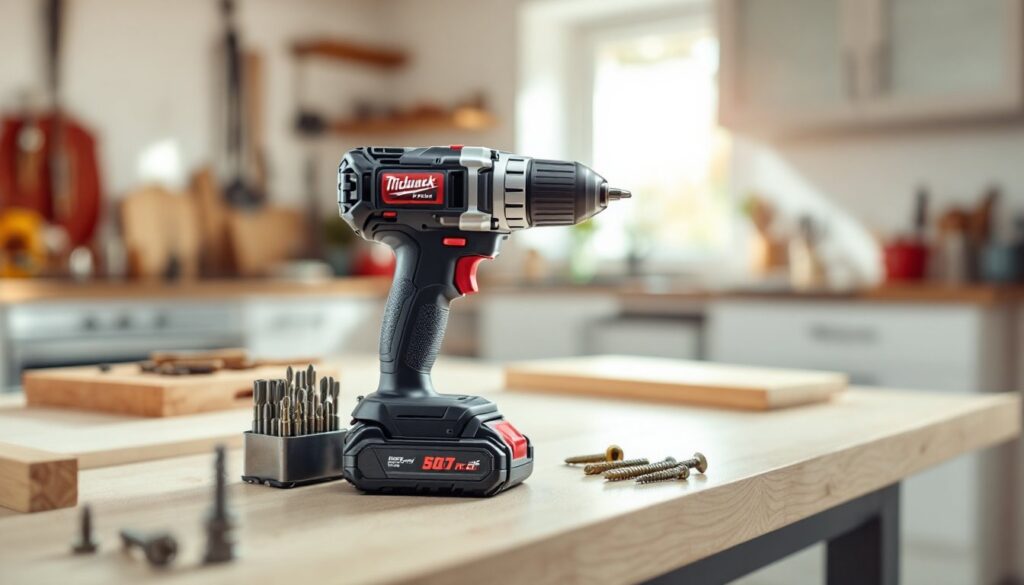
Furniture Assembly: IKEA cabinet, platform bed frame, or patio furniture assembly moves quickly with an impact driver. The controlled power prevents over-driving and splitting wood, while the compact size (especially a compact impact driver model) fits between cabinet panels and tight corners.
Light Demolition: Removing old cabinet hardware, door frames, or trim is faster with an impact driver. The impacts literally shake fasteners loose, unlike a drill which relies on rotational force alone.
When NOT to Use It: An impact driver is overkill and potentially damaging for delicate work, installing tiny hinges on a jewelry box, for example, or when driving fasteners into hardwood veneer where torque spikes could split thin material. A drill vs impact driver comparison clarifies when each tool earns its place in your lineup.
Always use the correct bit size and type for the fastener. Impact-rated bits are reinforced to handle the tool’s pounding: regular drill bits can shatter.
Getting Started: Safety Tips and Best Practices
A cordless impact driver is powerful, and that power demands respect. Careless use causes injuries, stripped fasteners, and damaged workpieces.
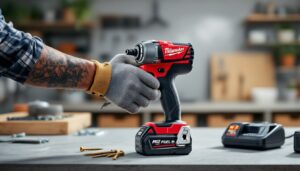
Wear Appropriate PPE: Safety glasses are non-negotiable, a bit can snap and ricochet, or debris can fly. Wear work gloves when possible, though some DIYers skip them to maintain grip: choose based on the material you’re fastening. Hearing protection isn’t always required indoors, but for extended use, consider foam earplugs (impact drivers are quieter than angle grinders but still audible).
Use the Correct Bit: Impact driver bits are specifically engineered for the tool’s pounding action. Regular drill bits are not impact-rated and will fail prematurely or shatter. Ensure the bit is firmly seated in the chuck and not wobbling.
Start at Low Speed: Most cordless impact drivers have a speed selector or trigger control. Begin at low speed to allow the tool to gain momentum and locate the fastener. This prevents bit skip and gives you better control. Increase speed only as needed.
Brace Your Body: The tool’s impacts create reaction torque. If the bit binds, the handle can twist violently and injure your wrist or fingers. Stand with feet shoulder-width apart, keep elbows slightly bent, and maintain a firm grip. Never wrap your thumb under the handle, keep it on top or on the side, where it won’t snap if the bit catches.
Check Your Fasteners: Using the wrong fastener or driving into hidden plumbing, electrical, or structural members can cause injury or damage. Verify fastener length, gauge, and type before starting, and locate utilities before drilling into walls or ceilings.
Resources like Family Handyman and Today’s Homeowner publish safety checklists and tool technique guides worth reviewing before your first use.
Conclusion
A cordless impact driver is one of the best tools an enthusiastic homeowner can own. The key is choosing one that matches your typical projects, a compact, 12V model for light assembly and cabinet hardware, or a beefier 20V unit for deck framing and heavier fastening. Prioritize battery runtime, torque ratings that fit your work, and build quality from reputable manufacturers. Start with safety: wear PPE, use impact-rated bits, and practice control. Once you’ve zipped your first dozen fasteners home without fatigue or frustration, you’ll understand why this tool is a DIY game-changer.