Table of Contents
ToggleIf you own a Milwaukee M12 impact driver or any gas-powered tool, you’ve probably noticed something at the pump: fuel isn’t what it used to be. M12 fuel, the gasoline blend specified for small engines and power tools, now typically contains ethanol, and that changes how your equipment performs. Whether you’re driving deck screws with a cordless impact driver or running a gas-powered trimmer, understanding how ethanol-blended fuel affects your tools matters. This guide breaks down what M12 fuel really means, how it impacts your projects, and what you need to do to keep your gear running smoothly.
Key Takeaways
- M12 fuel is standard E10 gasoline with up to 10% ethanol content, which attracts water and can cause carburetor buildup and starting problems in gas-powered tools.
- Ethanol-blended fuel reduces power output by roughly 3% and requires proper storage in sealed containers with fuel stabilizer rated for ethanol to prevent water absorption and freezing in cold weather.
- Routine maintenance for gas equipment—including fuel filters, spark plugs, and seasonal fuel stabilizer treatments—costs $75–$150 annually and is essential for equipment longevity.
- Cordless tools like the Milwaukee M12 impact driver eliminate fuel costs, maintenance complexity, and storage challenges, making them ideal for homeowners with occasional project needs.
- The choice between gas-powered and cordless tools depends on actual usage patterns; contractors benefit from lower upfront gas costs, while DIY homeowners often save money long-term with battery-powered alternatives.
Understanding M12 Fuel and Ethanol Blends
M12 fuel isn’t a specialty product, it’s standard gasoline with up to 10% ethanol content, often labeled as E10 at the pump. Most fuel sold in the United States now contains ethanol, a renewable biofuel blended in to meet environmental regulations and extend supply. For homeowners and DIY enthusiasts, this matters because ethanol behaves differently than pure gasoline in small engines and power tools.
Ethanol attracts water, which is the main concern. When fuel sits in a tank, whether in a generator, chainsaw, or equipment you’re storing for winter, ethanol can absorb moisture from the air. This water contamination can damage fuel injectors, clog carburetors, and cause starting problems. The higher the ethanol percentage, the more water it can absorb. That’s why fuel stabilizers and proper storage have become essential for anyone maintaining seasonal equipment.
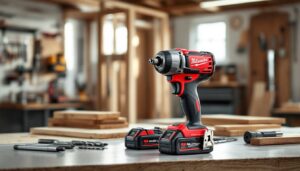
For cordless tools like an M12 hex impact driver, fuel ethanol content isn’t a direct concern since these tools run on rechargeable batteries. But, if you’re using a Milwaukee impact driver on gas-powered equipment elsewhere in your arsenal, say, a gas-powered compressor or blower, understanding fuel chemistry helps you maintain the entire system.
What M12 Fuel Really Means for DIY Projects
M12 fuel simply refers to the standard gasoline grade available at most pumps. The “M12” designation comes from old octane classifications, but today it’s basically synonymous with regular unleaded gasoline containing E10 ethanol. For DIY projects, this means you’re using what’s available, there’s no special trip required.
The practical implication is consistency. Every time you fill up your generator, pressure washer, or small engine, you’re getting roughly the same fuel blend. That uniformity helps manufacturers tune engines and fuel systems. But, it also means ethanol’s effects are now baked into how everything performs. A gas-powered concrete mixer or auger will run on M12 fuel, but it’ll perform differently than it would on pure gasoline from decades past.
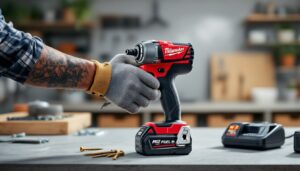
For most homeowners, switching to battery-powered tools like an M12 impact driver or larger M18 fuel models sidesteps fuel-related headaches entirely. Cordless tools eliminate carburetor cleaning, fuel mixing, and seasonal storage prep, a significant advantage for DIYers who already have plenty on their plate.
Performance Changes You’ll Notice in Your Tools
Ethanol-blended fuel can slightly reduce power output in small engines compared to pure gasoline. Ethanol has a lower energy density, meaning a gallon delivers roughly 3% less energy. On a high-powered tool, this is barely noticeable. On a small 4-cycle engine, you might see a slight dip in RPM or need a touch more throttle to get the same cutting speed or drive force.
Starting can be trickier with ethanol fuel, especially if equipment sits for weeks. Ethanol evaporates faster than gasoline, leaving behind varnish and gum deposits in carburetors. If your gas-powered auger or compressor sits all winter, you’ll likely face hard-starting in spring unless you drain the tank or add a fuel stabilizer in fall. Many DIYers now treat this as routine maintenance rather than a surprise.
Cold-weather performance suffers more noticeably. Ethanol can absorb enough water in humid conditions to freeze in fuel lines when temperatures drop. Adding a fuel treatment like isopropyl alcohol or using a gas stabilizer rated for ethanol fuel (look for “ethanol-safe” on the label) prevents this. Cordless alternatives remain unaffected, another reason why an M12 impact driver or Milwaukee M18 FUEL impact driver appeals to homeowners in colder climates.
Storage and Maintenance Tips for Ethanol-Blended Fuel
If you own gas-powered tools, proper fuel storage is now non-negotiable. Store fuel in approved, sealed containers away from direct sunlight and extreme heat. A cool garage or shed works well: avoid letting fuel sit in the equipment’s tank longer than 30 days. If equipment will sit idle for a season, drain the tank completely or fill it with fresh fuel and a fuel stabilizer rated for ethanol blends.
Fuel stabilizers (like Sta-Bil or similar products) cost $5–$10 per bottle and last through several pieces of equipment. They prevent water absorption and slow oxidation, extending fuel shelf life from weeks to months. Always use a stabilizer rated for “ethanol fuels” or “E10,” not generic old stabilizers designed before ethanol became standard.
Clean fuel filters regularly. Ethanol attracts more contaminants than pure gas, so fuel filters clog faster. A typical fuel filter for a small engine costs $8–$25 and takes 10 minutes to swap. Keep spare filters on hand for seasonal equipment. When spring arrives, if your equipment won’t start easily, a new filter is often the first fix before exploring carburetor cleaning or professional service. Document your maintenance in a simple spreadsheet so you remember when you last serviced equipment.
Cost-Benefit Analysis for DIY Homeowners
Gas-powered equipment costs less upfront than cordless alternatives. A decent gas generator runs $300–$600, while a cordless setup with batteries and charger often starts at $400–$800. But, fuel costs, maintenance, and storage add up. Annual stabilizer treatments, fuel filters, spark plugs, and the occasional carburetor cleaning can total $75–$150 per tool per year, especially for seasonal-use equipment.
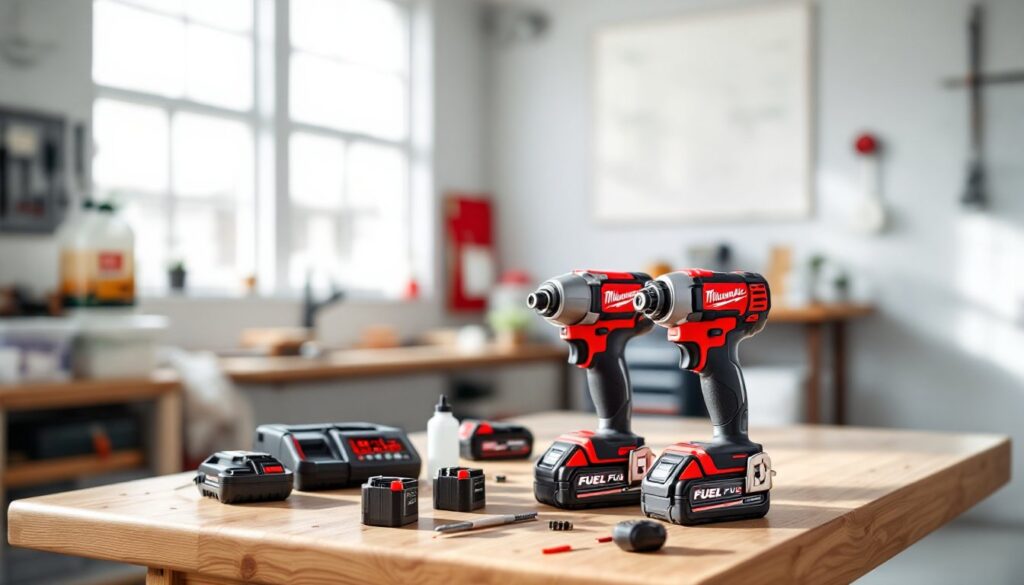
Battery-powered tools like an impact driver eliminate ongoing fuel costs and maintenance complexity. A cordless Milwaukee impact driver (whether M12 or M18 FUEL) costs $100–$250 for the tool alone, plus $100–$200 for batteries and charger. But once purchased, you’re done. No fuel to buy, no stabilizer, no winter prep. For homeowners tackling occasional projects, cordless tools pay for themselves in convenience alone.
The real cost analysis depends on usage. A contractor using a gas-powered compressor eight hours a day, five days a week benefits from the lower upfront cost even though fuel and maintenance overhead. A homeowner running a generator during three annual storms, or using a trimmer twice monthly, pays more in maintenance than fuel savings justify. Consider your actual usage pattern before committing to either approach.
Making the Right Fuel Choice for Your Projects
For equipment you own, M12 fuel (standard E10 gasoline) is your only real choice at most pumps, there’s no alternative unless you seek out specialty ethanol-free fuel, which costs 40–60% more and requires a hunt to find. Your decision isn’t about which fuel to buy but whether to own gas-powered equipment at all.
If you’re building a tool collection, prioritize cordless tools for occasional-use tasks. An impact driver is a perfect example: battery-powered models deliver all the performance most DIYers need, eliminate fuel hassles, and integrate with existing Milwaukee batteries if you’re already in that ecosystem. Resources like Instructables and Today’s Homeowner offer project guides showing cordless tools handling everything from deck building to furniture assembly.
For gas-powered essentials, like a generator you’ll run during emergencies or a compressor for air-tool work, commit to proper fuel management: use fresh fuel with stabilizer, store correctly, and maintain filters and spark plugs seasonally. The investment in preventive care beats emergency repairs. Understanding the differences between cordless tools and gas equipment helps you make informed choices as you expand your workshop.
Conclusion
M12 fuel, standard ethanol-blended gasoline, is now the only option at the pump, and understanding its quirks helps you maintain equipment properly. Ethanol affects starting, power output, and long-term fuel stability, but these challenges are manageable with stabilizers, fresh fuel, and seasonal maintenance. For many homeowners, switching to battery-powered tools like cordless impact drivers sidesteps fuel concerns entirely. Match your tool choice to your actual project frequency and storage capacity, and you’ll avoid costly downtime or surprise repairs.