Table of Contents
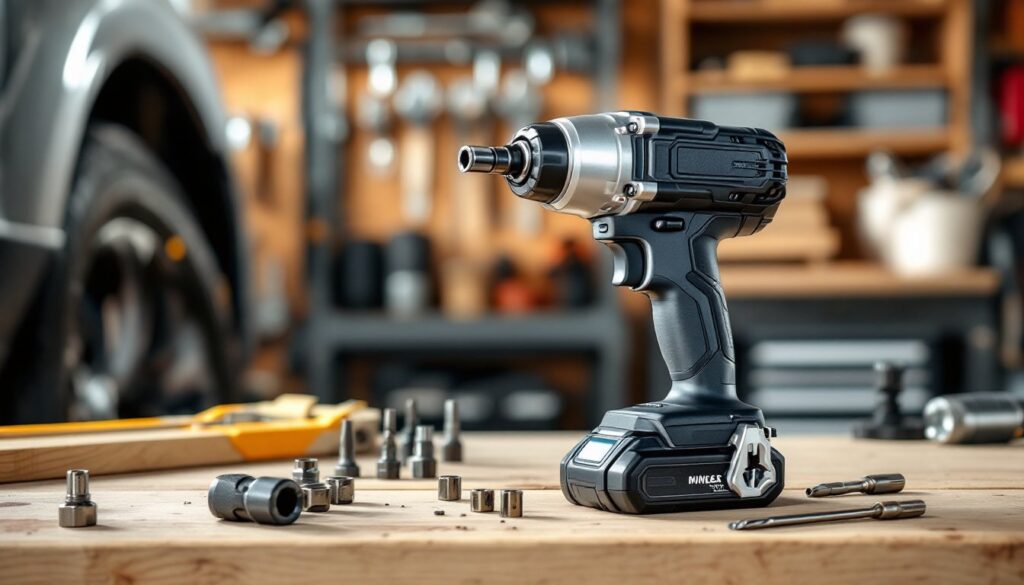
ToggleA cordless impact wrench sits in a different league than your standard drill. While drills excel at driving screws and boring holes, a cordless impact wrench delivers brutal rotational force using a rapid hammer-and-anvil mechanism, perfect for freeing stubborn lug nuts, assembling heavy decks, or tackling suspension bolts without needing an air compressor tethering you to the garage. If you’ve spent twenty minutes wrestling a frozen bolt with a regular ratchet, you understand why homeowners and DIYers are ditching manual wrenches and pneumatic lines for the speed and convenience of cordless power. This guide walks you through what to look for, how to size your purchase, and which models work best for real home projects.
Key Takeaways
- A cordless impact wrench delivers rapid bursts of rotque using a hammer-and-anvil mechanism, loosening stubborn fasteners in seconds compared to manual wrenches and eliminating the need for an air compressor.
- Torque ratings between 200–400 ft-lb on an 18V or 20V cordless impact wrench handle most homeowner projects, including vehicle lug nuts, deck assembly, and suspension work without overkill.
- Battery platform compatibility across brands like Milwaukee, DeWalt, and Makita saves money and reduces waste by allowing you to use the same battery across multiple tools in their ecosystem.
- Drive size selection matters: 1/2″ drives are ideal for homeowners tackling automotive and heavy fasteners, while 3/8″ compact models work for light-to-medium projects and tight spaces.
- Cordless impact wrenches significantly reduce assembly time for large projects like deck building and prevent hand fatigue and injury compared to traditional manual ratchets and drills.
What Is a Cordless Impact Wrench and Why You Need One
A cordless impact wrench is a battery-powered tool that uses a spinning hammer and anvil mechanism to deliver short, intense bursts of torque. Unlike a regular ratchet or breaker bar, which applies steady rotational force, an impact wrench applies that force in rapid pulses, think of it as hitting a bolt thousands of times per second with a tiny hammer. The result? Fasteners that would take a minute of muscle-straining effort with a manual wrench loosen in seconds, and usually with way less wear on your hands and wrists.
Why reach for one instead of sticking with what you’ve got? Most homeowners discover they need a cordless impact wrench the first time they face a task where bolts are truly stubborn, seized lug nuts on a truck that’s been parked for two winters, suspension fasteners on lawn equipment, or bolts that a previous owner over-torqued by about 50%. A cordless impact wrench spins through these jobs while reducing the physical strain that leads to injury. You’re also cutting assembly time on larger projects. A deck that might take a full Saturday with a drill and driver bits comes together much faster with an impact wrench handling the heavy fasteners.
Key Features to Compare When Shopping
Power and Torque Ratings Explained
Torque is everything here. Measured in foot-pounds (ft-lb) or Newton-meters (Nm), torque tells you how much rotational force the wrench can deliver. For context, vehicle lug nuts typically sit in the 80–100 ft-lb range, while suspension work and mounting bolts climb into 150–300 ft-lb territory. A solid all-purpose cordless impact wrench in the 18V or 20V class delivers 200–400 ft-lb, which handles most home and automotive projects without overkill. Industrial and heavy-duty models exceed 1,000 ft-lb, but that’s specialty territory.
Breakaway torque (also called “nut-busting” torque) is what matters most when you’re yanking a corroded bolt. It’s higher than the standard operating torque, so don’t confuse the two. Look for models with multiple speed and torque settings too, they let you dial down for delicate work (like final tightening on fasteners) and crank up when you need to break something loose. A Milwaukee impact driver or comparable tool in this range typically offers three to five settings, which prevents stripped bolts and damaged fasteners.
Battery Life and Charging Speed
A battery platform determines your runtime and your total tool ecosystem cost. Higher amp-hour (Ah) ratings mean longer runtime between charges, but they also add weight. A 4.0Ah battery gives you solid endurance for most day-long DIY projects: 5.0–6.0Ah packs are overkill unless you’re running it eight hours straight. The trade-off is about half a pound of extra heft, which matters if you’re working overhead or in tight spaces.
Charging speed separates convenience from frustration. Modern 18V/20V platforms charge in 30–60 minutes with a fast charger, while older or budget chargers can take two to three hours. If you’re serious about cordless tools, buying two batteries and swapping them while one charges keeps work flowing. Battery platform compatibility across a brand’s tool lineup is huge, stick with Milwaukee, DeWalt, Makita, or Kobalt, and your battery works in their impact wrenches, drills, saws, and leaf blowers. It’s less wasteful and cheaper than buying proprietary batteries for each tool.
Top Use Cases for Homeowners and DIY Projects
Tire changes are the classic cordless impact wrench moment. A manual lug wrench plus some elbow grease is technically possible, but a 3/8″ or 1/2″ impact wrench with 150–200 ft-lb undoes lug nuts in seconds, especially after months of road salt and moisture have seized them slightly. You’ll also tackle brake work, suspension bolts, and axle fasteners if you maintain your own vehicles.
Deck and fence building benefit tremendously from an impact wrench. Driving hundreds of lag bolts and carriage bolts into pressure-treated lumber is a perfect use case, faster, less hand fatigue, and consistent results. The same applies to building pergolas, heavy gates, or mounting structural hardware. An impact driver sitting, and oversized bolts in outdoor projects definitely qualify.
Lawn and garden equipment repair, mowers, tillers, pressure washers, often involves stuck fasteners. An impact wrench beats a screwdriver or wrench by miles. General repairs where bolts have been over-torqued or corroded belong here too. If you’re taking something apart that hasn’t been touched in five years, an impact wrench prevents stripped fasteners and knuckle-busting frustration.
Choosing the Right Size and Weight for Your Needs
Drive size matters. A 1/4″ square drive is for light fastener work, small bolts, delicate assembly, tight spaces. A 3/8″ drive handles general light-to-medium work and suits small automotive repairs or deck work. A 1/2″ drive is the workhorse for most homeowners tackling automotive, heavy fasteners, and structural bolts. Larger 3/4″ and 1″ drives are industrial territory and rarely necessary unless you’re working on trucks, trailers, or heavy equipment regularly.
For most homeowners, an 18V or 20V cordless impact wrench in the 1/2″ drive class with 200–400 ft-lb torque, weighing under six pounds with battery, hits the sweet spot. It’s powerful enough for seized bolts and heavy fasteners without becoming a liability on overhead work or when you’re using it one-handed in a confined space. If you’re mostly doing light fastener removal and home projects, a compact 3/8″ model under four pounds is fine and costs less. If you’re maintaining trucks, working with large equipment, or assembling heavy structural work regularly, step up to the 1/2″ class and accept the extra weight as the cost of capability.
Compact models excel in cramped spaces, wheel wells, under-dash work, tight deck corners. High-torque models with longer bodies and extra weight shine when you’re breaking loose truly stubborn fasteners or doing repetitive high-torque work. A Kobalt 24V impact driver or comparable mid-range tool often provides the right balance, though brands like Milwaukee offer specialty variants. Test one in your hands if possible, weight distribution and grip comfort matter more than you’d think during a two-hour fence-building session.
Conclusion
Matching your cordless impact wrench to the fasteners and projects you actually face prevents buying overkill and wasting money on features you’ll never use. Start by identifying the toughest job you expect to handle, that determines your torque requirement and drive size. Then factor in battery platform compatibility, weight, and whether you prefer a compact model or a high-torque beast. Cordless impact wrenches offer a buyer’s guide and roundup covering torque, size, weight, and top picks, which can help narrow your options. Most DIYers land on an 18V or 20V platform, 1/2″ drive, 200–400 ft-lb model that adapts to vehicles, decks, and home repairs alike. You’ll wonder why you waited so long to upgrade from a manual wrench.