Table of Contents
ToggleA Milwaukee driver impact has become a staple in home garages across the country, and for good reason. If you’ve spent time wrestling with a regular cordless drill to drive deck screws or assemble furniture, you know the frustration, slow progress, sore wrists, and bits that slip. An impact driver changes that equation. Milwaukee’s lineup of impact drivers delivers the rotational force and rapid-fire hammering action that makes fastening jobs faster, easier, and less exhausting. Whether you’re hanging cabinets, building raised garden beds, or tackling furniture assembly, understanding which Milwaukee driver impact model fits your needs can save you money and countless hours of frustration. This guide walks you through the essentials.
Key Takeaways
- A Milwaukee driver impact uses rapid-fire hammering action to drive fasteners up to 3,600 impacts per minute, reducing arm strain and improving efficiency compared to standard cordless drills.
- The M12 compact model excels in tight spaces and interior projects with weights under 2.5 lbs., while the M18 FUEL delivers 1,500 in.-lbs. of torque for demanding all-day fastening tasks and integrates seamlessly with other Milwaukee 18V tools.
- Torque ratings of 1,000+ in.-lbs. are sufficient for most residential fastening work, and Milwaukee’s FUEL brushless motors extend battery runtime by 25–50% compared to older motor designs.
- Always use impact-rated bits specifically hardened for the tool’s hammering action, as cheap bits will shatter or strip under impact driver operation.
- Safety requires wearing eye protection and snug-fitting gloves, applying only light forward pressure while letting the tool do the work, and ensuring proper bit engagement to prevent fastener head stripping.
- Hex-drive models offer quicker bit changes than standard 1/4-inch drives, making them convenient for projects involving multiple fastener types.
What Is a Milwaukee Driver Impact and Why You Need One
An impact driver is a cordless tool that delivers short, sharp bursts of rotational force, up to 3,600 impacts per minute in many models, to drive fasteners with minimal user effort. Unlike a standard drill, which applies steady rotational pressure, an impact driver uses an internal hammering mechanism that transfers energy to the bit in rapid pulses. This difference is crucial for stubborn fasteners and heavy-duty work.
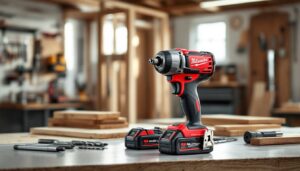
For DIY homeowners, the appeal is straightforward: less arm strain, faster driving speeds, and better bit grip. You’re not muscling the tool into submission. A Milwaukee impact driver also excels at driving long deck screws through composite materials, driving bolts into metal studs, and managing fasteners in tight spaces where you can’t get leverage with a drill. The M12 hex impact driver has become a go-to tool for homeowners tackling fastening jobs around the house.
That said, an impact driver isn’t a replacement for every tool. It’s not ideal for drilling large holes in wood, and it won’t drive finish nails the way a nail gun does. But for fastening, which makes up a huge chunk of home projects, it’s hard to beat.
Key Features That Set Milwaukee Drivers Apart
Power and Torque Performance
Milwaukee impact drivers come in different power classes, measured in torque (typically 600 to 1,500+ in.-lbs.). Higher torque means more driving force, useful for structural fastening, driving long screws through dense materials, or working with stubborn bolts. The M18 FUEL models push the upper end, delivering 1,500 in.-lbs. of torque, making them suitable for more demanding fastening tasks. The M12 compact models max out around 1,000 in.-lbs., which handles most residential work without the extra weight and bulk.
For most homeowners, 1,000 in.-lbs. is more than sufficient. You’re not driving lag bolts through structural beams every day. The real gain from higher torque is speed and reduced strain on lighter fastening work, the tool does more of the lifting for you.
Battery Life and Charging Technology
Battery capacity matters because running out of juice mid-project is annoying. Milwaukee’s FUEL technology includes brushless motors that use battery power more efficiently, extending run time by 25–50% compared to older brushed motor designs. A 2.0 Ah battery runs modest fastening jobs (50–100 screws). A 5.0 Ah battery handles a full day of cabinet hanging or deck building without a top-up.
Charging speed varies. Standard chargers take 30–50 minutes for a full charge. Rapid chargers cut that to 20 minutes. If you’re managing multiple batteries and rotating through projects, a rapid charger is worth the extra cost. Milwaukee’s REDLITHIUM batteries also resist performance drop in cold weather, valuable if you’re working in an unheated garage in winter.
Popular Milwaukee Driver Models for Home Projects
M12 Compact Impact Driver: The M12 is Milwaukee’s lightweight option, roughly 3.5 inches long and under 2.5 lbs. It fits in tight spaces, inside cabinets, between joists, or overhead, where full-size tools won’t fit. Battery options range from 1.5 to 4.0 Ah, and the compact size makes it ideal for homeowners who prioritize maneuverability over sustained runtime. If your projects lean toward interior work, assembly, and light fastening, the M12 delivers solid value.
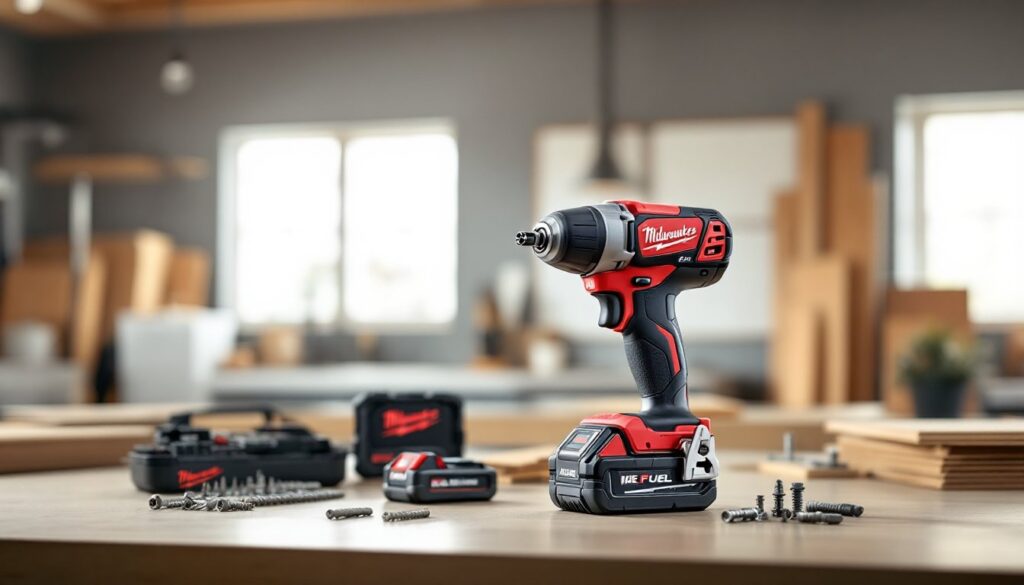
M18 FUEL Impact Driver: This is the workhorse. It weighs around 3.6 lbs. and delivers 1,500 in.-lbs. of torque with the FUEL brushless motor. Battery capacity runs from 1.5 to 9.0 Ah, and you can pair it with Milwaukee’s ecosystem of batteries across multiple tools. The mawaki impact driver comparisons often overlook what makes the M18 FUEL competitive: the tool is faster, charges quicker, and integrates seamlessly if you already own other Milwaukee 18V tools. If you’re building a tool collection, the M18 ecosystem is extensive and well-supported.
Milwaukee M18 Hex Driver: Many homeowners don’t realize there’s a difference between the standard 1/4-inch drive and hex-drive designs. The M18 Fuel 1/4 hex impact driver simplifies bit changes with a quick-lock mechanism, saving seconds per swap on projects with multiple fastener types. For interior finishing, cabinet work, and small appliance assembly, the hex option is more convenient.
How to Use a Milwaukee Driver Impact Safely and Effectively
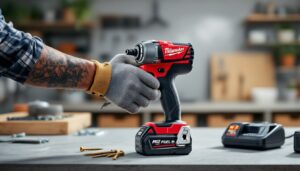
Before firing up any impact driver, start with safety essentials. Wear safety glasses or face shield to protect against bit shatter or fastener fragments. Gloves are optional but recommended, snug-fitting work gloves prevent your hand from rotating with the tool if the bit catches. Loose sleeves or jewelry create a snag risk: roll sleeves up and remove rings or bracelets.
Bit selection matters more than you’d think. Impact-rated bits are hardened to withstand the hammering action. Cheap bits will shatter or strip. Milwaukee’s Shockwave 100Pc Impact Driver Bit Set pairs hardened bits with a durable storage system, a practical example of matching the tool ecosystem to the job.
For basic fastening: position the bit on the fastener, apply light forward pressure (not jamming the tool into the work), and squeeze the trigger. The tool does most of the work. You’re guiding, not forcing. For stubborn fasteners, let the tool cycle a few times before increasing pressure: the hammering action will break corrosion or adhesion.
Speed control varies by model. Single-speed models run at one fixed RPM. Variable-speed models let you adjust power for delicate applications (like driving thin screws into composite trim) versus heavy-duty fastening. For most homeowners, single-speed is sufficient and usually cheaper.
Understand bit engagement. A properly seated bit sits flush in the drive. Partial engagement leads to stripping, both the bit and the fastener head. Take a second to ensure the bit is fully seated. If you’re experiencing repeated bit slip, switch to a higher-quality bit or check that the drive is clean of debris.
For structural fastening or work on load-bearing elements, confirm you’re using fasteners rated for the application. Deck screws, exterior-grade bolts, and structural screws have different load ratings. When in doubt, check building codes or consult a professional contractor. Some jurisdictions require permits for fastening into structural framing, so verify local requirements before starting.
Conclusion
A Milwaukee driver impact transforms how you approach fastening work. Whether you choose the compact M12 for tight spaces, the versatile M18 FUEL for all-day projects, or a specialized hex-drive model for frequent bit changes, Milwaukee’s lineup covers most home improvement scenarios. The key is matching torque, battery capacity, and form factor to your typical project profile. Start with safety, invest in impact-rated bits, and let the tool do what it’s designed to do, save your wrists and your time.